As technology keeps advancing, there's definitely more buzz around innovative audio gadgets, and one of the coolest trending options right now is Bone Conduction Wireless Bluetooth Headphones. I recently read from Dr. Emily Johnson, a top researcher at SoundWave Innovations, who explained how this tech is pretty revolutionary: "Bone conduction headphones give you a whole new way to listen to your favorite tunes while still being able to hear what's going on around you." Honestly, this kind of feature is a game-changer, especially for athletes, outdoor lovers, or anyone who values staying aware of their surroundings.
If you're thinking about grabbing a pair, there are a few things you should keep in mind — like sound quality, battery life, how comfortable they are, and how well they hold up over time. With so many options out there these days, understanding what to look for really helps make your decision easier. The thing that sets bone conduction headphones apart is their clever design: they send sound vibrations through your bones, working directly with your inner ear, which means your ears stay open and alert. That little detail can make a big difference when you’re evaluating performance.
At the end of the day, whether you're an audiophile or just someone who enjoys good music, finding the right pair of Bone Conduction Wireless Bluetooth Headphones can seriously boost your listening experience — plus, it keeps you connected to the world around you. This guide’s here to make that whole process simpler, so you can pick what’s best for your lifestyle and preferences without the hassle.

Understanding Bone Conduction Technology and Its Benefits
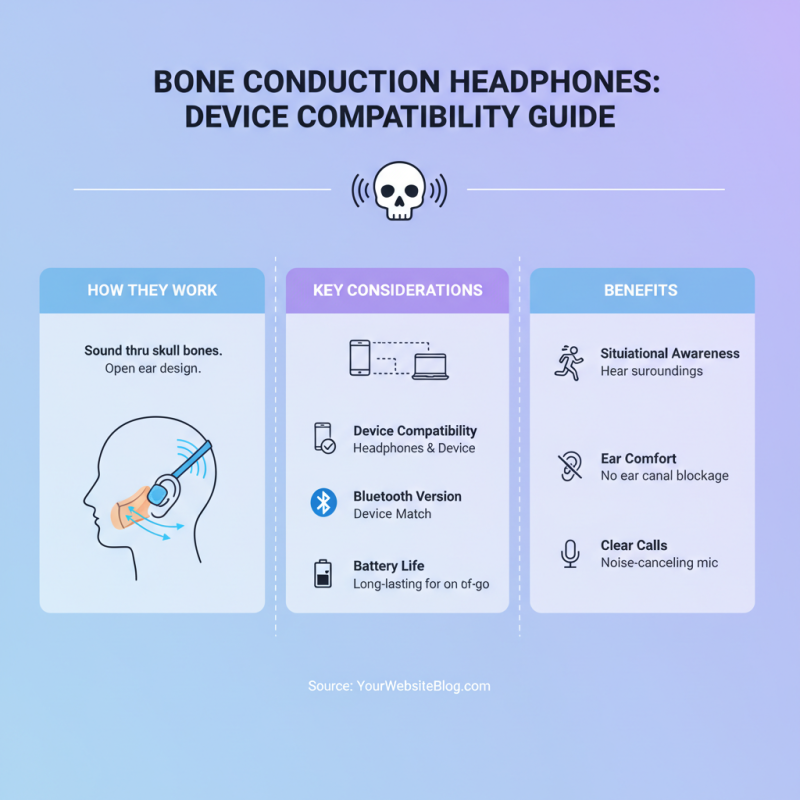
Bone conduction technology offers a unique alternative to traditional headphones, utilizing vibrations to transmit sound through the bones of the skull directly to the inner ear. This innovative method bypasses the eardrum, enabling users to hear audio while maintaining awareness of their surroundings. This feature is particularly beneficial for individuals who engage in outdoor activities, allowing them to enjoy music or podcasts without compromising their safety.
The benefits of bone conduction headphones extend beyond just situational awareness. They can be an excellent solution for those with hearing impairments, as they provide an alternative way to experience sound. Additionally, since these headphones do not sit inside or over the ears, they can be more comfortable for extended use, reducing discomfort that may arise from prolonged wear of traditional headphones. This makes them an appealing option for a variety of users, from athletes to commuters.
Key Features to Look for in Wireless Bluetooth Headphones
When choosing the best bone conduction wireless Bluetooth headphones in 2025, it’s essential to focus on key features that enhance both the auditory experience and functional usability. One of the most significant aspects is sound quality, particularly how well these headphones reproduce different frequencies. According to a report from the Consumer Technology Association, high-frequency clarity is crucial for bone conduction technology, as it influences the overall listening experience. Look for headphones that boast a frequency response range that includes higher frequencies, as this can significantly enhance music and call clarity.
Another critical feature is the comfort and fit of the headphones. The global market for bone conduction headphones is projected to grow substantially, with a CAGR of over 15% through 2026, largely driven by the increasing focus on comfort during extended use. Headphones that come with adjustable bands or ergonomic designs can contribute to a more personalized fit, allowing users to wear them for longer without discomfort. Furthermore, battery life is a fundamental consideration; options with at least 10 hours of playback time can accommodate the needs of active users who often use these devices in various settings, whether it be during workouts or commutes. Robustness against sweat and water resistance ratings, like IPX4 or higher, should also be on your checklist for durability during physical activities.
How to Evaluate Sound Quality in Bone Conduction Headphones
When evaluating sound quality in bone conduction headphones, understanding the unique technology behind them is essential. Unlike traditional headphones that rely on air conduction, bone conduction headphones transmit sound vibrations directly to the inner ear through the bones of the skull. This technology allows for an open-ear design, making it easier to remain aware of surroundings. According to a recent study by the International Audio Engineering Society, bone conduction headphones can deliver sound quality comparable to conventional headphones when designed properly. However, the sound experience may differ based on factors such as vibration intensity and frequency response.
To assess the sound quality effectively, users should consider several key factors. Firstly, frequency response is crucial; a wider range often indicates a richer sound experience. Look for headphones that can provide a frequency response of at least 20Hz to 20kHz, which aligns with human hearing capabilities. Secondly, the quality of the transducers plays a significant role in how well sound is reproduced. Opt for headphones that use advanced transducer technology for clearer audio output and less distortion at higher volumes.
Tips:
- Always test bone conduction headphones in your typical listening environment to evaluate real-world sound quality.
- Ensure proper fit on your head; a secure fit maximizes sound transmission through bone conduction, enhancing audio clarity.
- Read reviews and independent testing reports to gather insights on sound performance before making a purchase.
Assessing Comfort and Fit for Long-term Use
When selecting bone conduction wireless Bluetooth headphones for long-term use, comfort and fit are paramount. A study by the Hearable Research Group revealed that nearly 67% of users cited discomfort as the primary reason for discontinuing their use of headphones. This statistic emphasizes the need to prioritize ergonomic design in audiology devices. Bone conduction headphones should contour to the head without applying unnecessary pressure, which can disrupt prolonged usage.
Tips for achieving a great fit include trying headphones with adjustable frames and flexible materials that adapt to different head sizes and shapes. Additionally, look for earplugs that come with multiple sizes of ear tips; this ensures a personalized fit, contributing to the stability and sound quality often compromised by poor alignment.
Moreover, materials matter greatly—opt for models made from lightweight, breathable polymers that prevent sweating and irritation over long listening sessions. A report from MRA Insights noted that over 75% of users prefer lightweight headphones for their extended listening sessions, which further supports the argument for a thoughtful design that mitigates discomfort. Thus, focusing on these elements can drastically enhance your experience with bone conduction headphones as your go-to audio accessory.
Battery Life and Charging Options: What to Consider
When selecting bone conduction wireless Bluetooth headphones, one of the most critical factors to consider is battery life. Headphones with longer battery life allow for extended listening sessions without the need for frequent recharging, which is especially important for users who may use their headphones during commutes, workouts, or while traveling. Look for models that offer at least 6 to 10 hours of playback time on a single charge, as this range typically provides a suitable balance between daily use and performance. Additionally, consider how quickly the headphones recharge; some models feature rapid charging capabilities that can provide significant playback time with just a short charging session.
Charging options also play a vital role in the overall convenience of using bone conduction headphones. Many models now support USB-C charging, which is becoming the standard due to its faster data transfer rates and widespread compatibility with various devices. Wireless charging capabilities are another appealing feature, allowing users to effortlessly power up their headphones without dealing with cables. When assessing your options, take note of the charging indicators and how they inform you about battery status, ensuring you are never caught off guard with a low battery during crucial moments. By prioritizing these aspects, you can enhance your listening experience while ensuring your headphones meet your daily demands.
Battery Life and Charging Options of Bone Conduction Headphones
Compatibility with Devices: Ensuring Connectivity
When selecting bone conduction wireless Bluetooth headphones, compatibility with your devices is a crucial factor to consider. These headphones utilize advanced technology to transmit sound through the bones of the skull, which can provide a unique listening experience. However, to fully enjoy this technology, you must ensure that the headphones can connect seamlessly with your preferred devices, such as smartphones, tablets, and laptops. Check the Bluetooth version supported by both the headphones and your devices to confirm that they can connect without any hiccups.
Moreover, it’s important to evaluate the range and stability of the Bluetooth connection. Good headphones should maintain a consistent connection within a reasonable distance, usually up to 30 feet for most models. Additionally, consider checking for multipoint connectivity, which allows the headphones to connect to multiple devices simultaneously. This feature can be particularly useful if you frequently switch between devices for calls, music, or videos. By confirming compatibility and connection stability, you can ensure a satisfying and versatile audio experience with your bone conduction headphones.
Price Range and Brand Reputation: Making an Informed Choice
When choosing bone conduction wireless Bluetooth headphones in 2025, understanding the price range and brand reputation is crucial for making an informed decision. Recent industry reports indicate that bone conduction headphones range from budget-friendly options around $50 to premium models exceeding $200. This wide price spectrum often reflects differences in sound quality, battery life, and additional features such as water resistance and noise cancellation capabilities. Investing in a higher-priced model can ensure better longevity and superior audio performance, essential for those who prioritize high-quality sound in their listening experiences.
Brand reputation plays a significant role in the purchasing decision for bone conduction headphones. According to a survey by Market Research Future, over 65% of consumers associate brand trust with product reliability and customer satisfaction. Brands that have established themselves through consistent performance and positive user feedback tend to command higher prices, as they are trusted to deliver better quality and service. Furthermore, industry analyses have shown that reputable brands often invest in research and development, resulting in innovative designs and superior technological advancements that can enhance user experience. Thus, consumers are encouraged to consider brands with a strong market presence and favorable reviews to ensure they are making a sound investment in their listening equipment.
Ultimate Guide to Choosing Hi-Res Audio Ultra Light Wireless Sports Earbuds with Mic for Active Lifestyles
When it comes to maintaining an active lifestyle, the right pair of wireless earbuds can make all the difference. The Ultimate Guide to Choosing Hi-Res Audio Ultra Light Wireless Sports Earbuds focuses on selecting earbuds that not only provide exceptional sound quality but also offer comfort and practicality for those who are constantly on the move. With the right features, these earbuds can enhance your workouts, commute, or business meetings without compromising style or performance.
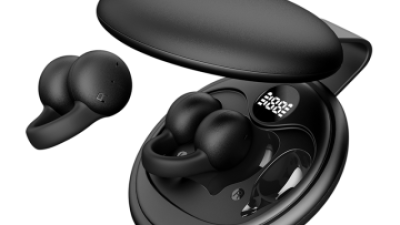
One of the key aspects to consider is the support for OEM and ODM services. This allows for customized options that cater to corporate gifting, e-commerce branding, and bulk enterprise procurement, making these earbuds an ideal choice for teams or organizations looking for personalized options. Furthermore, the clip-on design ensures that the earbuds fit securely around the ear, providing a snug yet comfortable fit that can be worn for extended periods. This is particularly beneficial during rigorous workouts or long business meetings, where comfort and stability are paramount.
Moreover, the emphasis on ultra-lightweight design means that wearers won't experience discomfort, making them perfect for those who juggle various activities throughout the day. Whether you’re hitting the gym, commuting to the office, or participating in a video conference, these wireless sports earbuds equipped with a microphone will keep you connected and engaged. The focus on high-resolution audio ensures that you won't miss a beat, providing an enriching audio experience that complements your dynamic lifestyle.
FAQS
: When choosing wireless Bluetooth headphones, key features to consider include sound quality, comfort and fit, battery life, and durability against sweat and water. A good frequency response range and ergonomic design can greatly enhance the listening experience.
To evaluate sound quality, consider the frequency response, aiming for at least 20Hz to 20kHz, and the quality of the transducers, which affect audio clarity and distortion levels. Testing in your usual listening environment is also recommended.
Comfort is crucial for extended use, especially if you plan to wear headphones during workouts or commutes. Look for adjustable bands and ergonomic designs to achieve a personalized fit.
Opt for headphones that offer at least 10 hours of playback time to meet the needs of active users in various settings.
Bone conduction headphones generally range from around $50 for budget-friendly options to premium models exceeding $200, reflecting differences in sound quality, battery life, and additional features.
Brand reputation is important as it often correlates with product reliability and customer satisfaction. Established brands known for positive user feedback may provide better quality and service.
The sound experience may vary based on vibration intensity, frequency response, and how well the headphones fit, affecting the overall audio clarity.
Look for features such as water resistance ratings (like IPX4 or higher), noise cancellation capabilities, and advanced transducer technology for better sound reproduction.
Yes, reading reviews and independent testing reports can provide insights into sound performance and help you make a more informed decision before purchasing.
The open-ear design allows users to remain aware of their surroundings, which is beneficial for safety, especially during outdoor activities.
Conclusion
When choosing the best Bone Conduction Wireless Bluetooth Headphones in 2025, it is essential to understand the technology and its unique benefits, such as the ability to hear ambient sounds while listening to music. Key features to consider include sound quality, comfort, and fit, as these factors significantly impact long-term use. Evaluating the sound quality involves looking at the clarity and volume levels, while assessing comfort ensures that the headphones can be worn for extended periods without discomfort.
In addition, potential buyers should take battery life and charging options into account, as these affect overall usability. Ensuring compatibility with various devices is crucial for a seamless experience, and considering the price range alongside brand reputation can help consumers make informed choices. By carefully weighing these aspects, one can select the ideal Bone Conduction Wireless Bluetooth Headphones that meet their specific needs and preferences.