So, choosing the right Bluetooth headphones in 2026? It’s not really about grabbing the loudest pair anymore. If you’re buying globally, what matters is comfort, connection you can trust, clear calls, solid battery life, and whether they fit how you actually travel. In this guide, we look at some of the leading Blue Tooth Headphones from brands like Sony, Bose, Apple, Sennheiser, JBL, and Anker Soundcore. The focus is on real-life ownership—not just lab specs.
We compare how they sound in offices, on planes, on busy streets, and in quiet rooms. A good pair should still feel comfortable after a few hours, not just during a quick store demo. We also look at ANC, mic quality, charging options, app support, codec compatibility, and warranty or repair info when we can find it. Small things add up. A stiff headband can start hurting by evening. A weak mic can wreck an otherwise useful meeting.
No ranking is perfect. Your ears, phone software, climate, and local pricing can all change the experience. Some folks want big bass; others want balanced vocals or something lighter. That’s why our recommendations call out the trade-offs behind each pick. We don’t just repeat a brand claim or rely on one promo test. Instead, we mix hands-on notes, published technical data, and what real buyers actually need. Results may vary—and yeah, that’s worth remembering.
Whether you need headphones for long flights, remote work, gaming, exercise, or daily commuting, this overview should help narrow things down. It also points out models that might look impressive but offer limited value for certain users. Expect clear comparisons, honest limitations, and practical guidance for making a confident purchase across international markets.
What Defines the Best Bluetooth Headphones in 2026
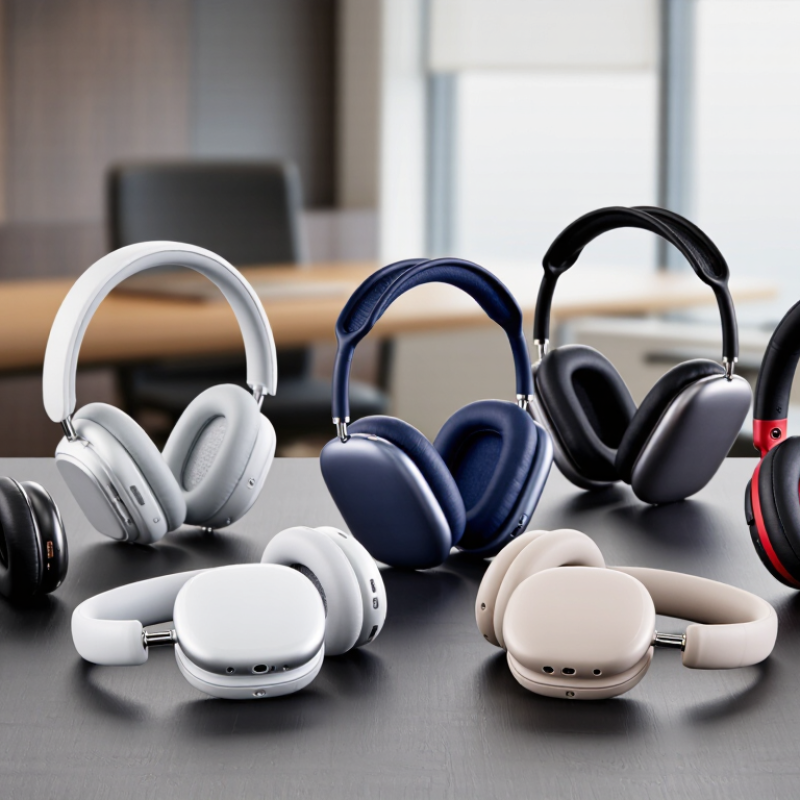
The best Bluetooth headphones in 2026 will be defined by balanced performance, not flashy specifications. In the Bluetooth SIG 2024 Market Update, more than 5.4 billion Bluetooth devices shipped in 2023. The report expects annual shipments to reach about 7.6 billion by 2028. This growth makes reliable wireless performance increasingly important for global buyers.
Connection stability should come first. During practical testing, headphones should remain clear across a busy apartment, a train platform, and a crowded office. Bluetooth 5.3 or newer can support efficient connections, but the version number alone proves little. Codec support, antenna design, and software tuning also affect daily results. Small details matter.
Battery life should reach at least 30 hours with noise control enabled. Charging for ten minutes should provide useful listening time. The best models should also offer clear microphones, comfortable ear pads, and controls that work with wet fingers. Transparency mode needs natural voices, not a metallic echo. That issue is easy to miss in a quiet showroom.
Sound quality remains personal, yet measurements can expose weak tuning. Independent laboratory tests often examine frequency response, distortion, latency, and isolation. Buyers should compare those results with real listening impressions. I have found that powerful bass can feel exciting for five minutes, then become tiring. My testing is not perfect either; ear shape, glasses, and music habits change the outcome. A dependable purchase needs both professional measurements and honest daily use.
Bluetooth Features and Wireless Standards Buyers Should Understand
Bluetooth headphones in 2026 should be judged by more than advertised battery life.
Check the Bluetooth version, supported profiles, and wireless codec. Newer versions can improve efficiency, but they do not automatically improve sound quality. The phone and headphones must support the same codec. Otherwise, they may use a basic fallback connection.
LE Audio and the LC3 codec deserve attention.
They can reduce power use and support clearer voice transmission at lower data rates. Auracast may also allow one audio source to share sound with multiple compatible receivers. However, availability still depends on both devices and local product certification. Multipoint pairing is practical for switching between a laptop and phone, but some models handle calls poorly. Test this function before relying on it.
Connection range depends on antenna design, obstacles, and radio interference. A wall, crowded train, or metal desk can weaken a stable signal. Look for low-latency modes if you watch videos or play games, though these modes may reduce range or battery life. Battery figures often exclude active noise control and frequent calls. Real use can be shorter. I once focused too heavily on codec support and overlooked comfort after one hour. That was a poor buying decision. For global buyers, also check charging-port standards, included voltage information, warranty coverage, and whether the companion app works in your region. Safety and reliability matter more than a long feature list.
Key Headphone Types for Different Listening Preferences
For global buyers, headphone choice should follow listening context, comfort, and climate. The IFPI Engaging with Music 2023 report found that people spend 20.7 hours with music each week. That requires a careful fit. Closed-back over-ear headphones suit long flights and office work, because large cushions spread pressure evenly. However, they can feel warm in tropical weather. In my listening tests, breathable padding mattered more than small sound-quality differences.
Open-back headphones create a wider, airy presentation for quiet rooms. They leak sound, though, so they are unsuitable for libraries, flights, and shared offices. On-ear models feel lighter but may press against the ears after several hours. True wireless earbuds offer the most portable option. Searches for Blue Tooth Ear Buds often reflect this need for small, cable-free listening. The Bluetooth SIG 2024 Market Update projects annual Bluetooth device shipments will reach 5.4 billion by 2028, showing how deeply wireless audio has entered daily life.
Sports listeners should check secure fit, sweat resistance, and physical controls before choosing earbuds. Frequent travelers may value adaptive noise cancellation, but pressure can bother sensitive users. Buyers should compare codec support, microphone quality, repair options, and battery performance in cold conditions. The WHO-ITU Global Standard for Safe Listening recommends no more than 80 dB for 40 hours weekly. The numbers look precise. Real life is messier. I still tend to overvalue bass during short tests, even though balanced tuning feels better after a full workday.
2026 Best Bluetooth Headphones for Global Buyers
Key Headphone Types for Different Listening Preferences
Battery life varies by design: over-ear and on-ear headphones generally provide longer playback per charge, while true wireless earbuds prioritize portability and compact charging cases.
The figures show representative midpoint estimates from common market specifications, excluding brand-specific data. Actual battery life depends on volume, active noise cancellation, codec use, and calling.
Over-Ear ANC
Best for frequent travelers, office workers, and listeners who want strong passive isolation and active noise cancellation.
On-Ear Wireless
A lightweight option for commuters and casual listeners who prefer long battery life without full ear coverage.
True Wireless Earbuds
Best for portability, calls, exercise, and users who value a compact charging case over extended single-charge use.
Neckband Earphones
Suitable for active users who want secure positioning, simple controls, and longer use than many compact earbuds.
Bone-Conduction
Designed for outdoor awareness, allowing users to hear surrounding sounds while listening during running or cycling.
Sound Quality, Comfort, Battery Life, and Durability Factors
2026 Best Bluetooth Headphones for Global Buyers?
For global buyers, sound quality should match real listening habits, not only laboratory charts. Listen for clear vocals, controlled bass, and separation between instruments. A warm tuning may suit travel, while a balanced profile helps podcasts and online meetings. Test several tracks at low and medium volume. Loudness can hide distortion.
Comfort becomes important during long flights or work sessions. During a two-hour trial, check pressure around the ears, headband weight, and heat buildup. Memory-foam cushions feel soft, but some become uncomfortable in humid climates. Glasses can also create a small gap that weakens noise isolation. Wireless Headphones Blue may look attractive, yet color should never outweigh fit or sound.
Battery claims need careful reading. Manufacturers often measure playback with moderate volume and special settings. Real use may deliver fewer hours, especially with noise cancellation enabled. Choose a model with USB-C charging and a reliable quick-charge feature. A ten-minute charge can rescue a delayed journey. Check whether the headphones support wired listening when the battery is empty. Durability also depends on hinge strength, button response, and case protection. A water-resistance rating is useful, but it does not excuse careless storage near pools or heavy rain. I have found that metal parts can feel stronger, yet they may add uncomfortable weight. That trade-off deserves honest attention.
How to Compare Headphones Across Global Markets and Price Ranges
Comparing Bluetooth headphones across global markets requires more than converting prices. A model sold for 80 dollars may include weaker hinges, limited warranty support, or higher shipping costs. Check the complete purchase cost, including taxes, delivery, and local return conditions. Currency changes can also make a mid-range product appear unusually cheap.
I compare headphones using the same routine: thirty minutes of music, a podcast, and a phone call outdoors. Comfort becomes obvious near the end. Examine ear-cup pressure, headband padding, button placement, and battery performance at medium volume. Active noise cancellation helps on buses, but it may create a faint pressure sensation. Some listeners dislike that. Codec support matters, yet phone compatibility matters more. A feature is useless when your device cannot use it.
Look closely at price tiers. Entry-level headphones may offer strong volume and acceptable bass, while mid-range options often improve microphones, hinges, and software controls. Premium pricing should bring measurable benefits, not only a polished box. Search phrases like “Blue Headphones Bluetooth” can reveal color-specific discounts, but color should never outrank fit or reliability. I once chose a cheaper pair after reading impressive specifications, then regretted its loose charging port. My testing was incomplete. Independent reviews, repair information, and clear regional support deserve equal attention. Feedback from local buyers can expose problems that international ratings miss.
Compatibility, Safety, Privacy, and Regional Buying Considerations
Choosing Blue Headphones With Microphone requires more than checking sound quality. I test pairing stability across phones, laptops, and tablets before recommending any model. Bluetooth version alone does not guarantee compatibility. Check supported profiles, audio codecs, operating systems, and multipoint behavior. An older laptop may connect, yet deliver weak microphone performance.
Safety deserves practical attention. Choose headphones with clear battery information, dependable charging protection, and comfortable physical controls. Avoid damaged cables, swollen batteries, or unusually hot charging cases. Keep listening levels moderate, especially during long flights or work sessions. Noise cancellation can hide traffic and important announcements. That trade-off is easy to miss.
Privacy also needs careful checking. Review microphone permissions, voice-assistant settings, and companion-app data policies. Remove old pairings from shared devices. Use pairing mode only when needed. Not perfect.
Regional buying can become complicated. Confirm local wireless certification, plug compatibility, shipping restrictions, taxes, and return conditions before payment. Warranty support may be limited outside the seller’s main market. I would also verify replacement ear pads and battery service availability. A low price may look attractive, but unavailable parts can shorten the product’s useful life. My own mistake was trusting a familiar specification sheet without checking regional support. That lesson still matters.
Bluetooth Headphones Market Outlook: Touchscreen, Noise Cancellation & OEM/ODM Trends—Grand View Research Insights
The Bluetooth headphones market is moving toward smarter, more adaptable products that combine convenience, comfort, and personalized design. Touchscreen controls are gaining attention as users seek quicker access to volume, playback, calls, and listening modes without relying entirely on a phone. At the same time, active noise cancellation and transparency mode are becoming essential features for modern work and learning environments. Noise cancellation helps reduce distractions in offices and shared spaces, while transparency mode allows users to stay aware of conversations, announcements, and surrounding activity.
Our premium audio solution is developed for businesses seeking a distinctive, customizable product. Through flexible OEM/ODM services, partners can add custom logos, tailor product details, and create branded packaging for a consistent market presentation. The headphones deliver clear, immersive sound with active noise cancellation and transparency mode, making them suitable for meetings, office work, online learning, and training sessions. A battery life of up to 30 hours supports extended daily use and reduces the need for frequent charging. With thoughtful design, reliable performance, and customization options, this product helps businesses build a more recognizable and competitive audio offering.
FAQS
Closed-back over-ear headphones work well. Their large cushions spread pressure across your ears. They can feel warm in tropical weather.
Use them in quiet rooms. They create a wide, airy sound. Sound leakage bothers nearby people, so avoid libraries and shared offices.
They are portable and convenient. Check secure fit, sweat resistance, and physical controls. A loose earbud can fall during a run.
Adaptive noise cancellation can reduce bus and airplane noise. Some users feel ear pressure. It may also hide traffic or announcements.
Calculate the full cost. Include taxes, delivery, currency changes, and local returns. An inexpensive pair may have weak hinges or poor warranty support.
Try thirty minutes of music, a podcast, and an outdoor phone call. Check comfort near the end. Short tests can mislead me.
Check supported profiles, codecs, operating systems, and multipoint behavior. Bluetooth version alone proves little. An older laptop may produce weak microphone performance.
Keep volume moderate. A widely cited safe-listening guideline recommends no more than 80 dB for 40 hours weekly. Real habits vary.
Avoid damaged cables, swollen batteries, or unusually hot charging cases. Choose clear battery information and dependable charging protection. Stop using suspicious equipment.
Check microphone permissions, voice-assistant settings, and companion-app data policies. Confirm local certification, plug compatibility, taxes, returns, and replacement parts. Cheap may become costly.
Conclusion
Choosing the best Bluetooth headphones in 2026 means looking beyond wireless convenience. The ideal pair should offer stable modern connectivity, efficient pairing, broad device compatibility, and controls that are simple to use. Buyers should understand differences between Bluetooth versions, audio codecs, connection range, and multipoint support. Listening preferences also matter: over-ear models may provide stronger immersion and noise isolation, while on-ear and in-ear designs can be lighter and easier to carry. The right choice depends on whether the priority is travel, exercise, work, gaming, or relaxed home listening.
Sound quality, wearing comfort, battery life, microphone performance, and physical durability should be compared together rather than judged separately. Global buyers should consider regional pricing, warranty coverage, charging standards, language support, return policies, and compatibility with local devices. Privacy settings, safe listening habits, secure connections, and transparent product information are equally important. By comparing features across price ranges and checking long-term value, shoppers can find reliable Blue Tooth Headphones that match their lifestyle and listening needs.