Leave Your Message
Deciding between premium headphones and earbuds in 2026? Honestly, it's not just about comfort anymore. You've got sound quality, portability, battery life, hearing safety, and whether they'll play nice with your devices. Counterpoint Research found the true wireless stereo market is still growing, which says a lot about how fast earbuds have become part of everyday life. And Grand View Research keeps pointing to solid demand for over-ear and wireless headphones too—especially for entertainment, gaming, and professional audio.
You really notice the difference between headphones and earbuds once you actually use them. Headphones tend to have bigger drivers, deeper bass, and they block out noise better on their own. On a long flight, they can pull you into whatever you're listening to. Earbuds, though—they slip into your pocket, handle quick calls, and a lot of them come with solid active noise cancelling. But those little charging cases? Good luck finding them in a cluttered bag. And if your fingers are wet, trying to use those tiny controls is just frustrating.
Sean Olive, the Harman researcher who basically knows everything there is to know about headphone testing, said it best: “The best headphone is the one that sounds best to you.” And honestly? Personal fit matters. Like, a lot.
Also, the difference between a headset, a headphone, and an earphone is worth looking into. A headset usually comes with a mic, while headphones are more about just listening. Earphones are those smaller in-ear things, but honestly, people use the terms interchangeably all the time. Look, we tried to pair the raw numbers with what it actually feels like to use these things. That means sitting with them for three hours to see if they get uncomfortable, testing the mic while traffic is roaring past, and seeing how the battery holds up after tons of charging cycles. Are our conclusions perfect? Nope. Rankings shift—firmware updates happen, everyone’s ears are weirdly different, and new codecs keep popping up. So take specs as a clue, not a promise. If you're shopping in 2026, honestly, the better pick isn't really about all the marketing buzz. It comes down to how you actually listen, whether they feel right physically, and being straight with yourself about what you really need.
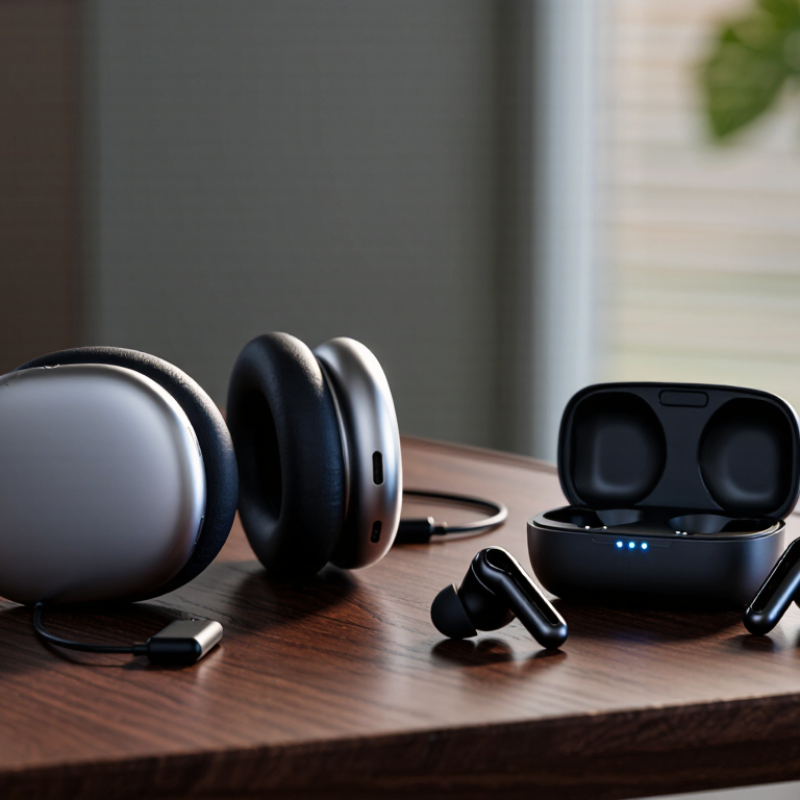
The Difference Between Earbuds And Headphones begins with placement, not price. Earbuds sit inside or just outside the ear canal. Headphones rest around the ears or on them. This physical difference affects comfort, sound, and noise control. In daily testing, earbuds feel light during a commute. However, a poor fit can loosen while walking. Headphones usually create a wider listening space. Their larger cups may feel warm after an hour. Neither design wins every situation.
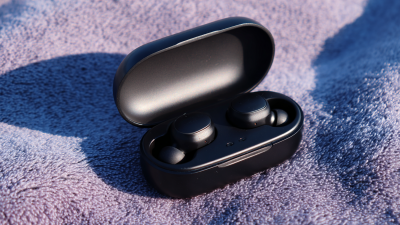
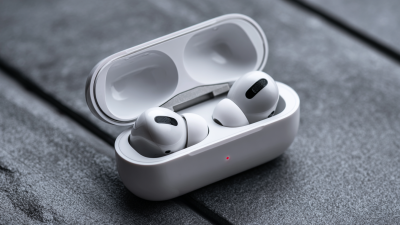
Earbuds commonly include wired, true wireless, open-fit, and noise-cancelling types. Wired designs need no battery for playback, improving reliability. True wireless pairs offer freedom but require charging and careful storage. Open-fit earbuds let outside sounds remain clear. Noise-cancelling versions reduce steady low sounds, but they cannot remove every voice. Headphones include over-ear and on-ear types. Over-ear cups surround the ears and support longer sessions. On-ear models are smaller, but their pressure may bother some users. Fit remains personal.
Tips: Try both designs for at least twenty minutes. Check whether the ear tips seal without pain. For headphones, adjust the headband evenly. Keep volume moderate, especially in quiet rooms. Read technical specifications, but trust real comfort more. I once chose lighter earbuds and regretted the weak seal. That mistake reminded me that convenience is not the same as suitability. Your routine, ear shape, and listening environment should guide the choice.
| Category | Definition | Main Types | Typical Design | Common Strengths | Trade-Offs | Often Suited To |
|---|---|---|---|---|---|---|
| Headphones | Personal listening devices with earcups that sit on or around the ears. They may connect by cable or wirelessly. | Over-ear, on-ear, open-back, closed-back, wired, and wireless. | Usually larger earcups joined by a headband; some models fold for storage. | Larger earcups can provide a spacious fit and room for larger drivers or batteries. Over-ear designs can cover the ears and reduce some surrounding sound passively. | Generally take up more space and can feel warm or heavy during long sessions. Fit and isolation vary by design. | Home listening, desk work, travel, and situations where a headband fit is preferred. |
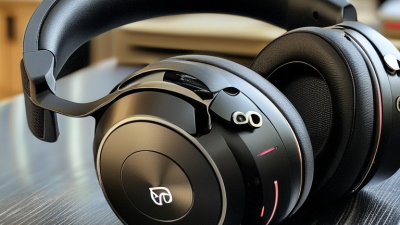
| Over-Ear Headphones | A headphone type with cushions designed to surround the outer ears rather than rest directly on them. | Closed-back or open-back; wired or wireless. | Large earcups sit around the ears and are held in place by a headband. | Can be comfortable for extended listening when properly fitted. Closed-back versions can limit sound leakage and help reduce some ambient noise. | Bulkier than compact listening devices. Open-back versions allow sound in and out and are usually better suited to quiet environments. | Long listening sessions, home use, and focused listening; open-back models are typically used in quiet spaces. |
| On-Ear Headphones | A headphone type with cushions that rest on the outer ears. | Wired or wireless; some foldable designs are available. | Smaller earcups press against the ears instead of surrounding them. | Often more compact than over-ear headphones while retaining a headband-style fit. | Pressure on the ears may become uncomfortable for some listeners. They usually provide less physical isolation than well-sealed over-ear designs. | Listeners who want a headband design with a smaller carrying profile. |
| Earbuds | Small listening devices worn at or in the entrance of the ear. The term includes several distinct fit styles. | Wired earbuds, wireless earbuds, and true wireless earbuds. | Compact housings sit in the outer ear or ear canal; many designs are supplied with different-sized tips. | Lightweight and portable, with little storage space required. Wireless models can be convenient for everyday movement. | Fit and comfort depend strongly on ear shape and design. Small batteries generally provide less listening time per charge than larger headphone batteries. | Commuting, walking, exercise, and listeners who prioritize portability. |
| In-Ear Earbuds | Earbuds that use a tip to sit partly inside the ear canal, creating a closer seal than open-fit designs. | Wired or wireless; passive-isolating and active-noise-cancelling versions are available. | Typically use silicone or foam tips in multiple sizes to help achieve a secure seal. | A good seal can reduce some outside noise passively and can support a secure fit during movement. | Some people dislike the in-ear sensation. The seal may vary with tip size and ear shape, and tips need regular cleaning. | Travel, exercise, and listening in environments where a compact fit or added isolation is useful. |
| Open-Fit Earbuds | Earbuds designed to rest in the outer ear without forming a tight seal in the ear canal. | Wired or wireless; some models use an open-ear hook or clip-style fit. | Small housings sit at the ear opening or attach around the outer ear. | Can feel less intrusive than sealed in-ear designs and allow more awareness of nearby sounds. | Typically provide less passive noise isolation, and sound may be more audible to people nearby at higher volumes. | Listeners who prefer an unsealed fit or want to hear more of their surroundings. |
| True Wireless Earbuds | Wireless earbuds with no cable connecting either earbud to the other or to the audio source. | In-ear and open-fit designs; some include a charging case. | Each earpiece operates independently and communicates wirelessly with the source device. | No connecting cable between the earpieces; compact cases can recharge them between uses. | Require battery charging and can be easier to misplace. Runtime depends on the earbuds, volume, features, and usage conditions. | Portable everyday use, commuting, and cable-free listening. |
| Which Is Better? | Neither type is universally better; the right choice depends on fit, intended use, portability, and listening environment. | Choose headphones for a headband and earcup fit; choose earbuds for a smaller, lighter form factor. | Try the fit where possible, especially for on-ear and in-ear designs. | Headphones may suit longer stationary sessions; earbuds are easier to carry and can be convenient during movement. | Comfort, sound, isolation, and battery life differ between individual designs, so category alone does not determine performance. | Compare comfort, connection type, battery needs, noise-control features, and intended use before choosing. |
For buyers seeking a dependable ODM Bluetooth headset with room for brand differentiation, the BL15 combines practical performance with flexible factory support. Its 40 mm drivers are designed for full, balanced listening, while Bluetooth 5.4 supports a stable wireless connection. The headset provides up to 13 hours of continuous playback and up to 24 hours of standby, making it suitable for commuting, travel, and extended workdays. Built-in voice-assistant access adds convenience for hands-free use.
The category’s scale underscores the opportunity for tailored wireless audio products: the Bluetooth SIG’s *2024 Market Update* forecasts annual Bluetooth device shipments to reach 7.5 billion by 2028. For businesses developing a headset offering, BL15 supports mass customization, including brand-identity options, so product presentation can be aligned with different markets and customer needs.
Factory cooperation is available through both OEM and ODM production modes, helping enterprise buyers choose between producing to an established specification and developing a more customized solution. From branding requirements to production planning, the BL15 is designed to support a streamlined path from product concept to finished headset.
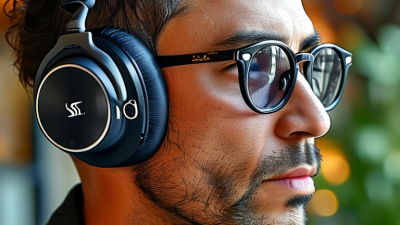
Headphones spread pressure across the head, but padded cups can feel warm after two hours. Glasses may add pressure. Comfort varies by person.
Yes. Their small case fits beside keys in a pocket. But tiny earbuds are easy to misplace.
Turn your head, move your jaw, and walk a little. If one side slips, the seal may weaken. I used to overlook this.
Closed cups can reduce noise through physical isolation. Soft earbud tips may also seal well, but results depend on your ears. Nearby voices can remain clear with open designs.
Earbuds are compact and convenient on a crowded bus. Headphones may stay more securely in place, but take up more bag space. A noisy ride can change your choice.
Headphones often last longer per charge because their larger housings can hold bigger batteries. Earbuds rely on their case for extra charging. Remembering the case is part of the deal.
Neither type is automatically tougher. Sweat, drops, and daily friction can affect both. Earbud charging contacts may collect lint; use a dry, soft cloth.
Think about fit, listening time, carrying space, and device connections. Multipoint can help switch between a phone and laptop. My first guess was wrong. Try them during a real work session.
Choosing between headphones and earbuds depends on how and where you plan to use them. Headphones sit over or around the ears, while earbuds fit in or rest at the entrance of the ear. These design differences affect sound, fit, portability, and how much outside noise you hear. Headphones often provide a fuller listening experience and may offer stronger noise cancellation, while earbuds are compact and convenient for travel, exercise, and quick calls. Call clarity varies by model and can also depend on microphone placement and your surroundings.
Consider comfort, battery life, durability, and connectivity alongside sound quality. Headphones may feel more comfortable during long listening sessions for some people, but they take up more space. Earbuds are easier to carry, though their small size can make them easier to misplace. The Difference Between Headphones And Earbuds is ultimately a matter of personal needs: compare cost and features, then choose the option that best suits your routine, preferred fit, and listening habits.