Leave Your Message
0%

Let's be real—picking the best wireless headphones in 2026 isn't just about grabbing the priciest pair you can find. Honestly, the right pick comes down to your budget, how you actually listen, and whether they still feel comfy after an hour of use. If you're commuting, good noise cancellation is probably a big deal, especially on a packed train. But if you're working from home, you might care more about call quality and soft ear cushions. It's the little things that end up mattering, you know?

So, audio researcher Sean Olive has published a bunch of studies on headphones, and honestly, they're a pretty good reality check. Turns out, everyone's ears are different — which means you can't just rely on measurements OR listening tests alone. You kind of need both. (That's my takeaway from his work, not a direct quote, by the way.) And honestly? This is a big part of why the wireless headphone market feels so all over the place. One product page will promise booming bass, all-day battery, and painless pairing — but then you actually try them and it's a whole different story depending on how they fit, what your phone's doing, and just how noisy your surroundings are.

So I wanted to put together this guide comparing Audio Wireless Headphones across some pretty practical price ranges—from the affordable everyday picks to the fancier premium options. I’ll be looking at sound, comfort, mic quality, battery life, and the features that actually matter, while also pointing out where the trade-offs really show up. It’s funny, some budget pairs might impress you on a short commute, but by the time you’re deep into a long workday, they can start to feel pretty exhausting. Sure, premium models often bring nicer materials or better noise control. But that doesn't automatically mean they're the best value for you—it really depends on what you're listening for. There's no single perfect pick out there. Honestly, a quick listening test will tell you more than any flashy spec sheet. So use the comparisons below to narrow things down, and before you pull the trigger, double-check return policies and make sure your devices are compatible. One caveat though: prices and stock can shift, so treat the budget ranges as a rough guide, not a hard promise.
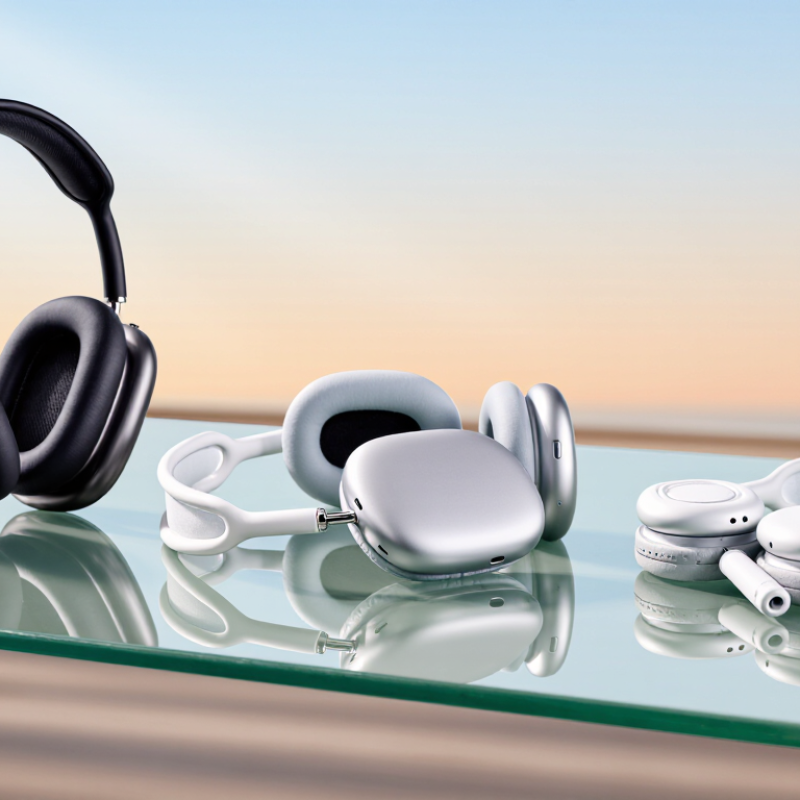
Best Wireless Headphones 2026 for Every Budget

Wireless Headphone Types and Key Features in 2026

Wireless headphone types serve different routines. Over-ear models surround the ears and often provide strong noise cancellation for commutes or shared offices. On-ear designs are lighter, though pressure can build during long sessions. True wireless earbuds fit in a pocket and suit short trips; open-ear styles leave the ear canal uncovered, helping listeners stay aware of nearby sounds. Fit remains personal.

Features matter more than a long specification list. Compare active noise cancellation, a usable transparency mode, multipoint pairing, microphone clarity, and battery life with noise cancellation switched on. The Bluetooth SIG’s 2024 Market Update projected 7.5 billion annual Bluetooth device shipments by 2028, reflecting how widely wireless connections are used. For Audio Headphones Wireless choices, connection stability and simple controls can matter more than advanced codec support. The WHO-ITU Global Standard for Safe Listening Devices recommends a personal sound allowance equivalent to 80 decibels for 40 hours weekly for adults. Keep volume limits in mind. They are easy to overlook on a noisy train.

How to Compare Sound, Comfort, Battery Life, and Connectivity

A good Wireless Audio Headset should sound clear at low volume, not merely impressive in a quick shop demo. Compare speech, bass, and busy recordings at matched volume; louder models can seem better even when they are not. Check whether vocals remain distinct on a noisy commute, and whether bass overwhelms podcasts. Comfort needs a longer test. Wear the headset for at least 30 minutes, noting pressure around the ears, heat, and glasses-frame contact. Small fit changes matter.

Battery figures need context. Manufacturer estimates may assume moderate volume and disabled noise cancellation, so compare them with independent test results when available. Bluetooth SIG’s 2024 Market Update forecasts 7.5 billion annual Bluetooth device shipments by 2028; that figure covers all Bluetooth device types, not headphones alone. It does show why connection compatibility deserves attention.

Check supported codecs, multipoint pairing, and performance through a wall or in a crowded station. A stable connection beats a long feature list. I’d also test call quality outdoors, where wind can expose weak microphones. One caveat: review tests differ in volume and settings, so their battery numbers are not perfectly comparable.

Entry-Level Wireless Headphones for Tight Budgets

Entry-Level Wireless Headphones for Tight Budgets

Entry-level wireless headphones can make daily listening easier without stretching a tight budget. Prioritize comfort, a stable Bluetooth connection, and controls you can use without looking. A cushioned headband helps on a long bus ride; loose hinges can become annoying. Expect compromises. Battery claims often reflect moderate volume, so real use may be shorter. Noise reduction might soften steady fan hum, but it rarely removes nearby conversation. Try listening in a quiet room and on a noisy street before deciding.

Tips: Check the return window and test the fit for at least twenty minutes. Compare battery claims with your listening habits. Small details count.

Look for a charging port and cable that fit what you already carry, plus buttons that are easy to find. If calls matter, record a short voice memo outdoors; wind can reveal weak microphones quickly. Avoid paying extra for features you will not use, such as elaborate app controls.

Still, the cheapest pair is not always the best value. A slightly higher price may bring replaceable ear cushions or a more secure fit. Clamp pressure is easy to underestimate; after an hour, it may matter more than a long feature list. Reviews cannot predict every head shape.

Midrange Headphones for Everyday Listening

Best Wireless Headphones 2026 for Every Budget
Midrange Headphones for Everyday Listening

Midrange wireless headphones often make the most sense for daily routines. They can offer reliable Bluetooth, useful noise reduction, and comfortable controls without charging extra for features you may rarely use. Think about where they’ll spend the most time: a crowded bus, a shared office, or your kitchen while dinner simmers. Small details matter. A physical mute button can be easier to find than a touch control during a call.

For long listening sessions, fit deserves as much attention as sound quality. Try to find cushioned ear cups that rest gently without pressing your glasses into your temples. A warm sound profile can make podcasts and playlists pleasant, though too much bass may blur voices. Noise reduction helps soften steady sounds like ventilation, but it won’t erase every conversation around you. Check battery estimates against your habits, and remember that volume and wireless features can affect real-world runtime.

Some compromises are easy to miss in a product listing. Headphones that feel light in a shop may become tiring after two hours, and touch controls can trigger when you adjust the headband. I’d compare call clarity, comfort, and return terms before chasing a longer feature list. Not glamorous, perhaps. But those are the details you notice on an ordinary Tuesday.

Best Wireless Headphones 2026 for Every Budget — Midrange Headphones for Everyday Listening

This brand-free comparison summarizes common midrange headphone types and typical market specifications. Battery life, weight, features, and prices vary by model; quoted battery ranges are approximate and depend on volume, wireless features, and noise cancellation use.

Listening Profile Typical Price (USD) Typical Battery Life Noise Control Common Everyday Features Best For What to Check Before Buying
Balanced all-rounder $150–$250 About 25–40 hours with noise cancellation enabled; often longer with it off Active noise cancellation and transparency mode are commonly included Bluetooth multipoint on many models, USB-C charging, app-based EQ Music, podcasts, video calls, and commuting Comfort over long sessions, call quality, and whether multipoint works with your devices
Comfort-first over-ear $120–$220 About 30–50 hours, depending on ANC use and listening volume Usually includes ANC; effectiveness varies considerably by model and fit Padded earcups, foldable designs on some models, USB-C charging Long listening sessions, study, and travel Clamp force, earcup depth, replaceable cushions, and total weight
Travel-focused option $180–$300 About 20–35 hours with ANC enabled ANC is a central feature; a wired listening option is available on some models Carry case, foldable construction on some models, ambient-sound mode Air, rail, and bus journeys Portable size, cabin-noise reduction, and whether wired listening works when the battery is depleted
Work-and-call pick $130–$250 About 25–40 hours; talk time may be lower than music playback time ANC is common, but microphone noise handling differs by model Multipoint connection on many models, voice-assistant support on some models, call controls Remote work, commuting, and switching between a phone and computer Microphone performance in windy or noisy places and compatibility with your calling apps
Value-focused wireless pair $80–$150 About 30–60 hours, often measured with ANC off or at moderate volume Some models include basic ANC; others rely on passive earcup isolation Bluetooth audio, USB-C charging, and physical or touch controls Everyday listening on a tighter budget Whether ANC is included, software support, warranty, and comfort for your head shape
Lightweight everyday pair $100–$200 About 25–45 hours, depending on features and volume May offer ANC or passive isolation; check the exact configuration Lower-weight designs, compact folding hinges on some models, app-based sound controls Daily use at home, in the office, or on short trips Fit stability, hinge durability, and whether the design stays comfortable with glasses

Premium Headphones for Advanced Audio and Noise Control

Premium wireless headphones earn their price through control, not flashy specifications. Effective active noise cancellation can soften steady sounds, such as cabin rumble, while voices and sudden clatter may still come through. That distinction matters. In a quiet room, compare noise reduction and music detail at matched volume; louder playback can make almost any model seem fuller. A secure, comfortable seal also shapes bass response, so wear the ear cups for at least twenty minutes before judging. Weight and clamp pressure become obvious on a long train ride.

For serious listening, look for adjustable EQ, a stable wireless connection, and controls that remain usable without an app. Audio Headphones should also offer a clear transparency mode for crossing streets or speaking briefly, though microphones cannot reproduce the room perfectly. Check battery performance with noise cancellation enabled, since advertised figures may reflect gentler settings. A folding hinge, replaceable cushions, and a case that fits a small bag can matter more than an extra codec. I still find touch controls fussy with gloves. That is not a deal-breaker, but it deserves a test. Listen to familiar tracks at modest volume in the places you actually use them.

Best Wireless Headphones 2026 for Every Budget

Compare practical price bands for wireless headphones, from budget picks to premium models with advanced audio and noise control.

Illustrative wireless headphone budget bands in US dollars.

These are guide bands, not measured market averages. The premium bar shows a reference window up to $500; some headphones cost more. Within each tier, compare active noise cancellation, battery life, comfort, and supported audio features.

Choosing Headphones for Travel, Work, Gaming, and Exercise

For travel, focus on fit, battery life, and effective noise reduction. A steady cabin hum can make a long flight tiring, while loose earcups become annoying after an hour. For work, choose a clear microphone and controls you can reach without looking. Bluetooth Audio Headphones should switch reliably between a laptop and phone, though multipoint connections can still be temperamental. Small caveat: advertised battery life rarely reflects calls, high volume, and noise cancellation used together. Check independent testing, not just the box.

Gaming and exercise need different trade-offs. The Entertainment Software Association’s 2024 Essential Facts report says 190.6 million Americans play video games weekly; for multiplayer sessions, microphone clarity and low audio delay matter more than heavy bass. For a run, secure fit, sweat resistance, and easy-to-hear controls are practical priorities. The World Health Organization’s safe-listening standard recommends adults limit listening at 80 decibels to 40 hours per week. That is a ceiling, not a target. Bluetooth SIG’s 2024 market update forecasts 7.5 billion annual Bluetooth device shipments by 2028, but more wireless choices do not guarantee better sound. Try headphones with your usual glasses or workout gear before deciding. Small details matter.

Choosing Customized Logo Deep Bass Noise-Cancelling Headphones with Mic for Quality Sound

Choosing customized logo deep bass noise-cancelling headphones with a microphone starts with matching sound performance to everyday needs. A carefully tuned acoustic system can bring out rich, powerful low frequencies while preserving clear vocals and balanced detail. Professional noise-reduction technology helps limit distractions, making calls and listening more focused. A built-in microphone supports convenient communication, whether the headphones are used for work, travel, or entertainment.

For businesses developing a distinctive product, customizable design options make it possible to add a logo and adjust features, colors, and packaging to suit a particular identity. As a China-based factory and supplier, we offer ODM production with flexible specifications to help shape a headphone design around your requirements. Practical features matter too: battery life of up to 50 hours supports extended use, while dual-mode connectivity gives users a choice between wireless Bluetooth and a 3.5mm wired connection. This combination of personalized appearance, dependable listening time, and flexible playback makes it easier to select headphones that deliver quality sound and fit a brand’s needs.

FAQS

Which wireless headphone type suits a daily commute?

Over-ear models cover the ears and often reduce surrounding noise. True wireless earbuds fit easily in a pocket. Fit is personal.

Are on-ear headphones comfortable for long listening sessions?

They are lighter than many over-ear designs, but pressure may build over time. Try them with your usual glasses.

What should I check before choosing headphones for work?

Look for a clear microphone, reachable controls, and reliable switching between your computer and phone. Calls can drain the battery faster.

Which features matter most for travel?

Prioritize a secure fit, useful noise cancellation, and battery life during calls. A steady cabin hum gets tiring.

What makes headphones suitable for exercise?

Choose a secure fit, sweat resistance, and controls you can use easily while moving. Test them with your workout gear.

What should I look for in gaming headphones?

Clear microphone audio and low delay help during multiplayer sessions. Heavy bass is not always useful.

Is advertised battery life a dependable guide?

Treat it as an estimate. Calls, high volume, and noise cancellation used together may shorten listening time.

How can I listen at safer volume levels?

Keep volume limits in mind, especially on a noisy train. A recommended adult allowance is 80 decibels for up to 40 hours weekly. That is a ceiling, not a target.

Conclusion

This guide to the best wireless headphones in 2026 explains the main headphone types and the features that matter most when choosing a pair. It shows how to compare sound quality, comfort, battery life, and connectivity, so shoppers can focus on what suits their listening habits rather than being distracted by unnecessary extras. Whether you’re looking for dependable Audio Headphones Wireless on a tight budget or a more capable option for daily use, the guide outlines what to expect at entry-level, midrange, and premium price points.

It also considers how different needs shape the right choice. Travelers may prioritize effective noise control and long battery life, while people working or studying may value comfort and clear calls. Gaming and exercise call for other practical considerations, such as a stable connection, a secure fit, and convenient controls. By matching features and price to your routine, you can find headphones that deliver useful performance without overspending.
Mira

Mira

Mira is a dedicated marketing professional at Shenzhen Songnico Technology Co., Ltd., where she plays a pivotal role in highlighting the company's innovative solutions and technological advancements. With a deep understanding of the industry, she expertly navigates the complexities of product......
Previous 2026 Top Headphones vs Earbuds Which Is Better?