Leave Your Message
Let’s be real: picking ANC headphones isn’t just about grabbing the pair with the strongest noise cancellation. What you actually want is something that tones down the annoying stuff—but still lets voices, instruments, and little details come through. Think about being on a rumbling train: that deep engine hum is one thing, but a sharp announcement or someone chatting next to you is totally different. And here’s the thing about active noise cancellation: it’s great at handling steady, low-frequency noise, but it won’t magically make every sound disappear.
So, you've probably heard about the WHO and ITU's safe-listening guidelines. They suggest keeping exposure to around 80 dB for no more than 40 hours a week for adults. Now, that's not a magical guarantee that you'll never damage your hearing, but it gives you a decent benchmark to work with. That's where ANC comes in – it can help you listen at lower volumes comfortably, but remember, it doesn't actually block out all hearing damage on its own. So keep your volume in check. And don't forget about fit – if your earbuds don't create a good seal, you'll lose bass and let outside noise sneak in, even if the specs on the box look fancy.
So here’s the thing—we’re going to dig into noise reduction, sound quality, comfort, battery life, and those transparency modes. And we’ll break down what “Anc In Audio” actually means when you’re just listening, not what the ads want you to believe. Oh, and keep an eye out for independent test results, a return policy that won’t give you a headache, and buttons or touch controls you can actually reach while the headphones are still on your head. You know, it’s honestly the little things that end up deciding it. Maybe something feels fine for the first 20 minutes, but after an hour the pressure starts to get to you. Or you’re sitting in a really quiet room and notice this faint hiss—and once you hear it, you can’t unhear it. Muffled vocals can be a dealbreaker too. There’s no one-size-fits-all perfect option, though. The right balance really depends on where you usually listen and what actually bugs you.
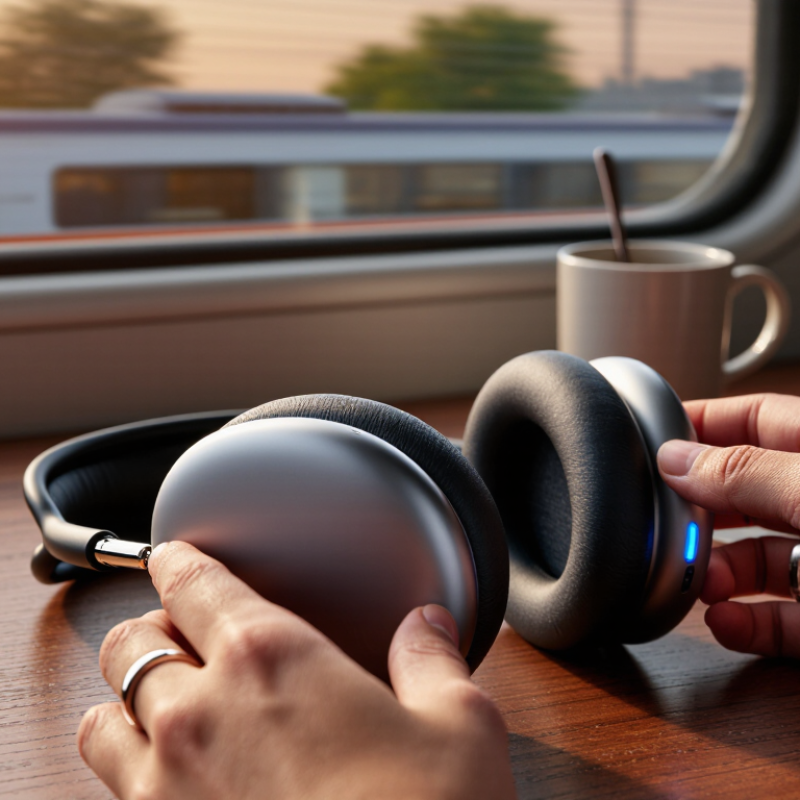
Active noise cancellation (ANC) uses microphones to detect surrounding sound. The headphones create an opposite sound wave that reduces some incoming noise. This works especially well with steady, low-frequency sounds, such as an airplane hum or air conditioner. It is less effective against sudden sounds, like a door closing, or nearby speech. Silence is never complete.
ANC and audio quality are related, but they are not the same thing. Noise reduction can make music easier to hear at a lower volume, while the headphone’s drivers and tuning shape its sound. Try listening in a quiet room and near steady background noise. Notice whether vocals stay clear and bass feels balanced when ANC is on. A secure, comfortable fit matters too; small gaps around the ear can weaken both noise reduction and bass. One trade-off: ANC may slightly change how a track sounds, and the difference can take getting used to.
Tips: Compare ANC on and off with the same song. Check for a pressure-like sensation during a short test. If possible, try the headphones with glasses or your usual ear tips; comfort can be imperfect, and that matters over time.
| Factor | What It Means | What to Look For | How It Can Affect Your Listening |
|---|---|---|---|
| How ANC works | Microphones detect surrounding sound, and the headphones use signal processing to produce sound waves that reduce some of that noise at the ear. | Look for a clear description of the ANC modes and controls, rather than relying on a single “noise cancellation” label. | ANC is generally more effective against steady, low-frequency sounds, such as an engine or ventilation hum, than sudden or high-pitched sounds. |
| Fit and seal | The ear cups or ear tips create a physical barrier that helps block sound. This passive isolation works alongside electronic ANC. | Choose a comfortable fit that seals well without excessive pressure. For earbuds, check that the included tip sizes fit securely. | A poor seal can let more outside sound in and reduce perceived noise reduction, especially with earbuds. |
| Adaptive ANC | Some headphones adjust noise cancellation based on detected surroundings or the fit of the headphones. | Check whether adjustment is automatic, user-controlled, or both, and whether the behavior can be changed in the settings. | Automatic adjustment can be convenient when moving between environments, but preferences vary; a manual control can be useful. |
| Transparency mode | Microphones let selected outside sounds pass through the headphones so you can hear your surroundings without removing them. | Look for easy-to-use controls and a natural-sounding mode if you often need to hear announcements or speak with others. | It is useful for awareness, but it is not the same as removing the headphones and may not reproduce every sound exactly as it is heard naturally. |
| Sound quality with ANC on | ANC processing and headphone tuning can affect the sound you hear. The result varies by model and listening conditions. | Compare listening impressions with ANC both on and off, and check whether the headphones offer adjustable equalization. | A change in tonal balance or perceived detail may be noticeable. Choose the setting that sounds best to you rather than assuming ANC always improves audio quality. |
| Wind and sudden noise | Wind can create noise at the microphones, while abrupt sounds are harder for ANC systems to counter consistently. | If you will use headphones outdoors, look for wind-related settings and test them in a safe, appropriate environment. | ANC may be less effective in gusty conditions or against irregular sounds such as nearby voices and clattering objects. |
| Battery and wired use | Wireless ANC headphones need power for wireless playback and electronic noise cancellation. Some models also support wired listening. | Check battery information for the specific operating mode you expect to use, and confirm whether ANC works when using a cable. | Battery life can differ depending on features and settings. Wired playback does not necessarily mean ANC will work without power. |
| Comfort and controls | Weight, clamping force, ear-pad material, and control placement influence how comfortable and practical headphones are over time. | Consider your typical listening duration, glasses or ear sensitivity, and whether the controls are easy to use without looking. | A comfortable fit makes it easier to wear headphones consistently; discomfort can outweigh the benefit of stronger noise reduction. |
| Best use case | Different listening environments place different demands on ANC, fit, portability, and awareness features. | For travel, prioritize a secure fit and effective reduction of steady low-frequency noise. For shared spaces, consider comfort and transparency controls. | Choose for the sounds and situations you encounter most often; no headphone can remove all outside noise. |
Microphones detect nearby sound, and the headphones produce an opposing sound wave. It reduces some noise, not all of it.
It often helps with steady, low sounds, like an airplane hum or an air conditioner. A closing door can still cut through.
Not necessarily. The headphone’s drivers and tuning shape the sound, while ANC mainly reduces background noise.
Play the same song with ANC on and off. Listen for clear vocals and balanced bass.
Yes. Small gaps around the ear can weaken ANC and bass. Glasses or loose ear tips may change the seal.
Some people notice pressure or a change in how music sounds. Try a short listening test; comfort can be imperfect.
Check whether the stated runtime includes ANC, wireless calls, and high volume. A long commute may use more power than a quiet-room test.
Test switching between your phone and laptop, then check how quickly the headphones reconnect. Walls and nearby devices can interrupt a connection.
Treat them as estimates. A short charge may help, but playback time depends on how you listen. Standby drain can matter, too.
Choosing ANC headphones for better audio starts with understanding how active noise cancellation works and identifying where you will use them, such as at home, during travel, or in a busy office. Set a budget, then compare how effectively each pair reduces different kinds of background noise. Remember that ANC performance is only one part of the experience: sound balance, clarity, useful audio features, and the role of Anc In Audio should also fit your listening preferences.
Comfort and practical details matter over long listening sessions. Check the fit, materials, controls, battery life, and wireless connectivity, and consider how the headphones perform when ANC is turned on. If possible, try them with music or other audio you know well. Comparing comfort, noise reduction, and sound quality in person can help you choose headphones that suit your needs rather than relying on specifications alone.