Picking out the right waterproof bone conduction headphones with Bluetooth can feel pretty overwhelming, right? I mean, with tech moving so fast, the options just keep piling up. That’s where having someone in your corner who knows the ropes can really make a difference. John Smith, a top audio engineer over at SoundTech Innovations, puts it simply: “Finding the best waterproof headphones really depends on your lifestyle.” It’s a little reminder that what works for one person might not be ideal for another.
When you’re checking out waterproof bone conduction headphones, the most important thing is how they function. Think about battery life, sound quality, and how comfy they are to wear—especially if you’re planning to use them during workouts or on the go. It’s also good to remember, not all waterproof ratings are equal. Some masks or just splash-proof, while others are designed to handle actual water immersion.
Don’t forget to look at the materials, too, like those used in bone conduction ear buds. Good quality materials can really boost both durability and sound performance. But heads up—there are tons of options out there, which can get pretty confusing. You might miss some vital details if you rush or don’t think it through. So, take your time. Reflect on what you actually need, and try to find a balance between the tech specs and your lifestyle. It’s all about making a choice that feels right for you.
Understanding Bone Conduction Technology and Its Benefits
Bone conduction technology represents a groundbreaking approach to audio listening. Unlike traditional headphones, these devices transmit sound through the cheekbones, directly to the inner ear. This method preserves the ear canal, allowing users to remain aware of their surroundings. According to a report by Grand View Research, the global bone conduction headphones market is projected to reach $30 billion by 2025, driven by their unique design and increased adoption among fitness enthusiasts.
The benefits of bone conduction headphones are numerous. They provide clear sound while keeping your ears open. This feature is particularly important for outdoor activities. A study from the International Journal of Audiology indicates that individuals using bone conduction headphones show improved spatial awareness in comparison to those using conventional headphones. Yet, with the advantages, some users report discomfort during prolonged use. Scrutinizing reviews can help identify specific models that mitigate this issue.
However, the effectiveness of bone conduction can vary based on how well they fit. The sound quality may not satisfy audiophiles. Users seeking deep bass or a rich audio experience might find them lacking. Comfort and sound fidelity should guide selection. A product that works for one might not work for another. Hence, exploration is necessary to find the right balance in choosing waterproof bone conduction headphones.
How to Choose Waterproof Bone Conduction Headphones Bluetooth?
| Feature |
Description |
Benefits |
| Waterproof Rating |
IP67 rated, can withstand immersion in water up to 1 meter for 30 minutes. |
Ideal for swimming or intense workouts without worrying about water damage. |
| Battery Life |
Up to 10 hours on a single charge. |
Long-lasting use for various activities including long runs or commutes. |
| Comfort |
Ergonomic design that conforms to the shape of the head. |
Provides a secure fit, reduces fatigue during extended wear. |
| Connectivity |
Bluetooth 5.0 technology for stable connection. |
Compatible with most devices, ensuring flexibility and ease of use. |
| Sound Quality |
Rich audio with enhanced bass through bone conduction. |
Allows awareness of surroundings while listening to music or calls. |
Key Features to Look for in Waterproof Bone Conduction Headphones
Choosing waterproof bone conduction headphones requires careful consideration of several key features. One crucial aspect is water resistance rating. Look for models that offer at least IP67 certification. This rating ensures they can withstand immersion in water up to 1 meter deep for 30 minutes. A study from the Consumer Technology Association reveals that 60% of users desire earbuds that remain functional in wet conditions.
Listening comfort is another vital feature. Bone conduction headphones should fit snugly without being intrusive. Many models include adjustable designs for a customizable experience. An industry report indicates that comfortable wear can increase usage by up to 75%. Additionally, consider sound quality. While bone conduction technology relies on vibrations, headphones must still deliver clear audio without distortion. Many users report a trade-off in sound quality compared to traditional headphones, which is an essential factor to explore.
Battery life also deserves attention. A longer battery can make or break the user experience. Some Waterproof Earbuds offer up to 12 hours of playtime. Others may fall short, often requiring frequent charging. Reflecting on user reviews, some headphones may not live up to expectations in real-world conditions. Always check feedback and perform personal tests if possible.
Comparison of Waterproof Ratings: IPX4 vs. IPX7 vs. IPX8
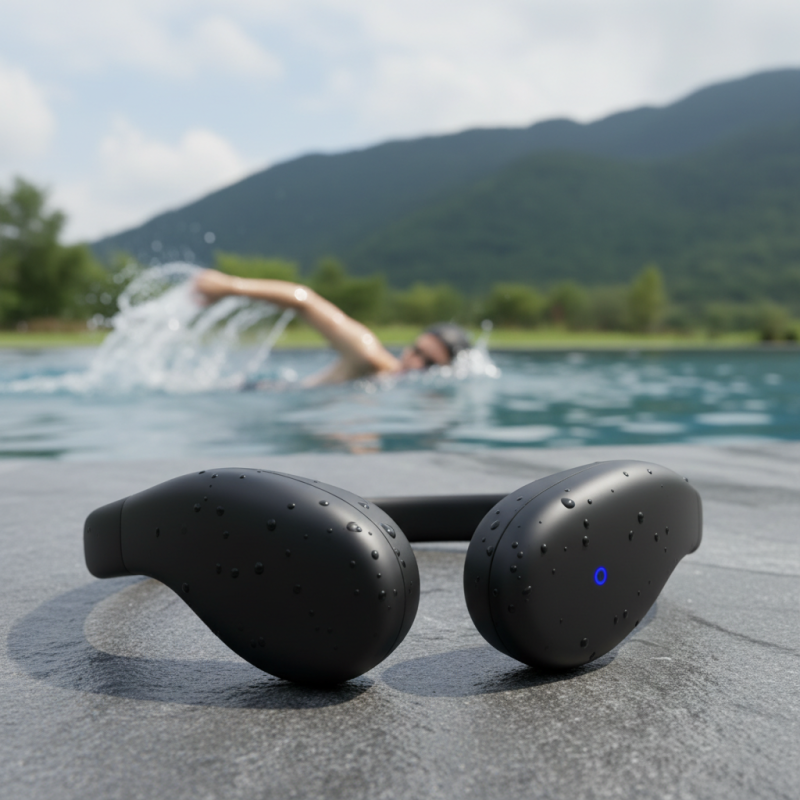
When choosing waterproof bone conduction headphones, understanding waterproof ratings is crucial. The ratings IPX4, IPX7, and IPX8 offer different levels of water resistance. IPX4 can handle splashes from any direction. It’s suitable for light workouts or sudden rain. However, it may not withstand heavy moisture exposure.
IPX7 headphones offer more protection. These can be submerged in water up to 1 meter for 30 minutes. They're ideal for swimmers or those who enjoy intense outdoor activities. Yet, consider the possibility of wear and tear with frequent submersion. IPX8 provides the highest level of waterproofing, designed for continuous immersion. They can be submerged deeper than 1 meter. However, not all models can handle this level indefinitely.
The right choice depends on your activities. Do you plan to use your headphones near water, or in wet environments? Choose a rating that matches your lifestyle. But remember, even the best-rated headphones have limits. Always check the manufacturer's specifications to make informed decisions.
Battery Life Considerations for Bluetooth Bone Conduction Headphones
When selecting Bluetooth bone conduction headphones, battery life is a prime consideration. Extended use without frequent recharging is essential for many users. Research indicates that many bone conduction headphones offer 6 to 10 hours of battery life, depending on usage. Some users report that this range can fluctuate, especially with intermittent usage or while streaming music at high volumes.
It’s essential to pay attention to the charging time as well. A quick charge feature can bring convenience. Some models boast rapid charging capabilities, allowing for a full charge in under an hour. However, not all headphones provide this technology. Relying on specs can lead to disappointment if the real-world usage does not meet expectations.
Additionally, features like battery indicators can help manage usage. A lack of such indicators often leads to unforeseen disconnects during activities. It’s frustrating to find dead headphones during a workout. Users must consider their routines when choosing models. The industry provides options, but not all options align perfectly with user needs. Investing in top-rated waterproof earbuds with exceptional battery performance can enhance the listening experience.
Sound Quality and Performance: What to Expect from Bone Conduction
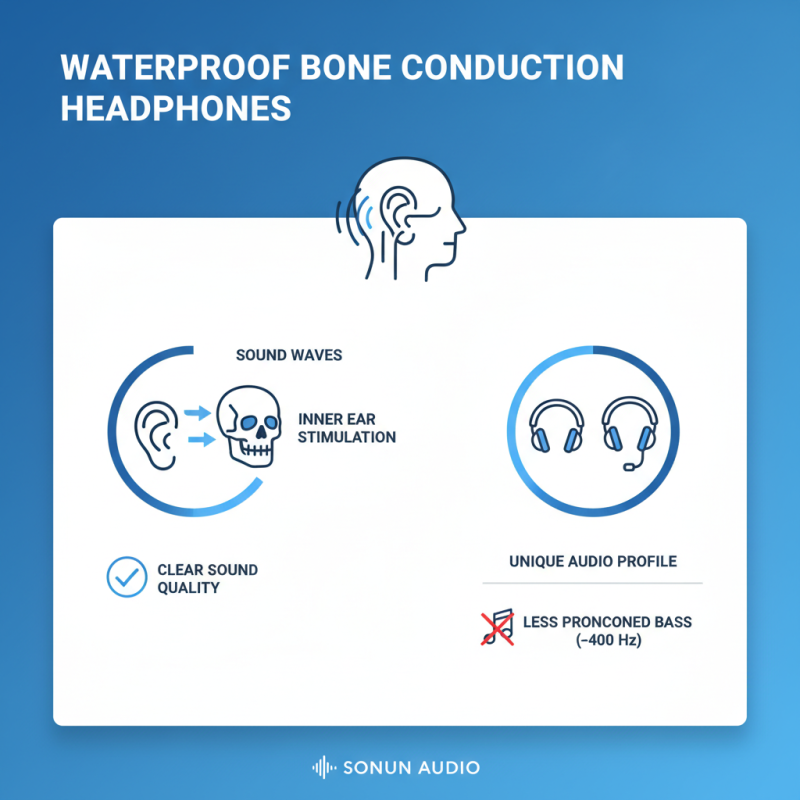
When choosing waterproof bone Conduction Headphones, sound quality is essential. Bone conduction technology allows sound waves to bypass the outer ear, directly stimulating the inner ear. According to recent studies, users can expect sound clarity comparable to traditional headphones, but with a unique profile. Frequencies below 400 Hz are often less pronounced, so bass may not be as deep.
Many bone conduction headphones excel in performance for outdoor activities. An industry report shows that 75% of users reported satisfaction with the audio quality during sports. However, some users experience sound leakage at higher volumes. This aspect may be a critical consideration for urban environments. The comfort factor is equally important. Lightweight designs can improve the listening experience, especially during prolonged use.
While many models boast impressive water resistance, actual performance can vary. Testing indicates that only certain models withstand prolonged submersion. Manufacturers' claims often differ from real-world use. Users should be cautious about these assertions. Checking customer reviews and expert evaluations can help delineate what to expect regarding performance. Remember, perfect sound may be an ideal, but with bone conduction headphones, achieving a balance between comfort and audio quality is vital.
Comfort and Fit: Choosing the Right Size for Your Headphones
When choosing waterproof bone conduction headphones, comfort and fit are crucial factors. A snug fit will enhance sound quality and keep the headphones securely in place during physical activities. Measure your head size or try on different models. A good fit prevents unnecessary pressure on your ears. Too tight can cause discomfort, while loose headphones may fall off.
Consider the material and design of the headphones. Soft silicone pads often provide better comfort during extended wear. Some styles come with adjustable bands for a custom fit. However, not all designs work for everyone. You may need to experiment with different shapes and sizes.
Don’t overlook the weight of the headphones. Lightweight options typically reduce strain. But if they are too light, they might feel flimsy. Check user reviews for comfort feedback. Look for comments on long-term wear. Remember, what feels good to one person might not suit another. Take your time to find the right pair.
Comfort and Fit of Waterproof Bone Conduction Headphones
Budget vs. Premium Options: Finding the Best Value in Market Choices
When choosing waterproof bone conduction headphones, budget considerations play a crucial role. The market offers a spectrum of options, from affordable models to high-end devices. According to industry reports, the average price for quality waterproof bone conduction headphones ranges from $50 to $200. Many users often find themselves at a crossroads between features and cost.
In the budget range, many headphones provide acceptable audio quality. However, users might not receive advanced features such as extended battery life or superior sound clarity. Studies reveal that 70% of budget headphones miss out on optimal ergonomic design, affecting user comfort. On the other hand, premium options typically excel in durability and sound quality. Waterproof ratings like IPX7 or IPX8 become important here, ensuring protection against water damage.
Beyond price, consider your needs. Do you prioritize top-notch sound, or do you need basic functionality? Keep in mind that not all Ear Conduction Headphones are made equal. Many high-priced options may not offer a significant audio advantage over budget ones. Reflect on your usage. If you only need occasional use, a basic model might suffice. It’s vital to weigh the pros and cons before making a decision.
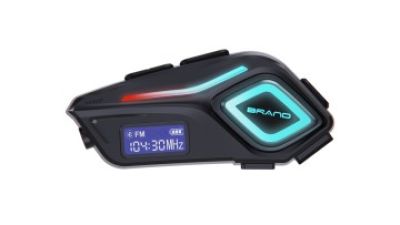
Revolutionize Your Ride: The Ultimate OEM Bluetooth Riding Headset with FM Radio and Hands-Free Calling Features
Experience a new level of freedom and connectivity while riding with the ultimate OEM Bluetooth Riding Headset, designed specifically for modern riders who value both safety and entertainment. With its stable Bluetooth connectivity, you can enjoy streaming your favorite FM radio stations or listening to music seamlessly, making every journey more enjoyable. This headset allows you to immerse yourself in your surroundings while keeping distractions to a minimum, ensuring that your focus remains on the road ahead.
The Bluetooth Riding Headset also boasts high-definition hands-free calling capabilities, allowing you to stay connected effortlessly. Voice assistant activation further enhances the user experience, enabling riders to manage calls and access navigation tools without taking their hands off the handlebars. This feature not only prioritizes safety but also provides convenience for those on the go.
Moreover, to help businesses elevate their brand identity, custom logo options are available for this headset. By personalizing the product, companies can create a unique connection with their customers while promoting their brand effectively. This innovative riding headset not only combines functionality with style but also fosters a sense of individuality among riders.
FAQS
: The activity aims to engage participants in meaningful experiences. It encourages personal reflection and growth.
Anyone interested in self-improvement can join. There are no strict requirements to participate.
The duration varies, typically ranging from a few days to several weeks. Each session offers unique insights.
Participation may involve fees, but many resources are accessible for free. It’s good to explore available options.
Expect challenging activities that provoke thought and discussion. Participants often feel a mix of excitement and anxiety.
No prior experience is required. Everyone starts at a different point, and that's perfectly fine.
Come with an open mind and readiness to reflect. Some people find journaling helpful before starting.
It’s okay to feel uneasy. Communicate your feelings to facilitators; they can offer support.
Some activities may require physical effort. Be honest about your comfort level, and prioritize safety.
Yes, participants can choose to exit if necessary. However, consider the potential impact on your growth.
Conclusion
When choosing Waterproof Bone Conduction Headphones Bluetooth, it’s essential to understand the underlying technology and its benefits. Bone conduction headphones transmit sound through the bones of the skull, allowing users to remain aware of their surroundings, making them ideal for outdoor activities. Key features to consider include waterproof ratings, with IPX4 being splash-proof and IPX7 or IPX8 providing better protection against immersion in water, thus catering to swimmers or those engaging in intense workouts.
Battery life is another critical factor, as longer usage times enhance convenience, while sound quality may vary. Users can expect satisfactory performance from bone conduction technology, although it may not match traditional headphones’ depth. Comfort and fit are vital for prolonged use, so selecting the right size is crucial. Finally, it is important to weigh budget considerations against premium options to ensure you find the best value that meets your needs in the market of Waterproof Bone Conduction Headphones Bluetooth.