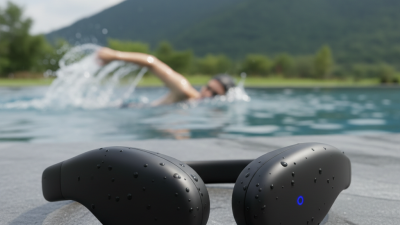
Picking out the right waterproof bone conduction headphones for swimming can actually be kinda tricky. There are so many options out there, but not all of them are gonna fit what you need. When you're hunting for swimming headphones, you’ve gotta think about a few key things. For starters, the design should feel comfortable and stay put, even if you’re moving around a lot in the water. And of course, sound quality matters; nobody wants shallow bass that just kills the vibe.
Don’t forget to check out battery life—longer playtime means fewer interruptions, which is a big plus. Some folks find themselves charging their headphones way more often than they'd like, so that’s worth considering. It’s a good idea to look at reviews and see what other users are saying. Brands like AfterShokz do make models specifically built for swimming, which is pretty cool. But, fair warning, they’re not exactly cheap for everyone. Finding that sweet spot between price and quality can be a bit of a pain—sometimes you might end up feeling a bit disappointed.
And of course, personal comfort is a big deal. What feels snug and comfy for one person might be totally different for another. Honestly, a lot of brands don’t put enough thought into ergonomics, which can be frustrating. It’s super helpful to read user reviews on sites like Bone Conduction Ear Buds —people often share real-world experiences that give you a clearer picture. All in all, choosing waterproof bone conduction headphones for swimming isn't exactly straightforward; it takes some research and a bit of patience to find what works best for you.
Understanding Bone Conduction Technology in Headphones
Bone conduction technology is revolutionizing how we enjoy music underwater. This innovation sends vibrations through the bones of the skull, directly to the inner ear, allowing users to hear sounds while still being aware of their surroundings. Recent studies indicate that bone conduction headphones can reduce hearing damage risk while swimming, a significant concern for many athletes.
When choosing waterproof bone conduction headphones, consider the depth ratings. A solid option should withstand submersion at least 1 meter deep. Look for models with an IP68 rating, ensuring maximum water resistance.
Tips: Test the headphones prior to your swim. Ensure they fit securely; loose headphones can let in water and disrupt sound. Also, keep them clean. Chlorine and saltwater can degrade components over time.
Ultimately, not all bone conduction headphones are created equal. Some may struggle with sound clarity underwater. This can be frustrating but highlights the importance of authentic user reviews and guided comparisons. Focusing on quality will enhance your swimming experience.
Key Features to Look for in Waterproof Headphones
When choosing waterproof bone conduction headphones for swimming, several key features deserve attention. The first aspect is the waterproof rating. Look for a minimum of IPX8, which means these headphones can be submerged in water. This ensures they remain functional in deep water. Additionally, ensure they are designed specifically for swimming, allowing for better sound quality and safety.
Comfort is another crucial feature. Bone conduction headphones must fit securely without slipping off. Look for adjustable straps or ergonomic designs that can accommodate different head sizes. Extended use can cause discomfort; thus, ensure the material is soft and breathable. Battery life matters too. Choose headphones that offer sufficient playtime, ideally over 8 hours, for long swimming sessions.
Sound quality should not be overlooked either. While bone conduction technology transfers sound through the bones, the clarity can vary. Testing before purchase is ideal, if possible. With these specifications, Waterproof Earbuds can offer an engaging underwater experience. Remember, personal preferences will play a major role in your final choice, so keep an open mind and try various options.
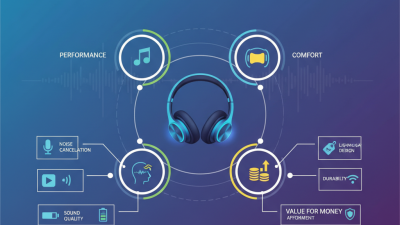
Waterproof Bone Conduction Headphones for Swimming - Key Features Comparison
Evaluating the Waterproof Rating for Swimming Use
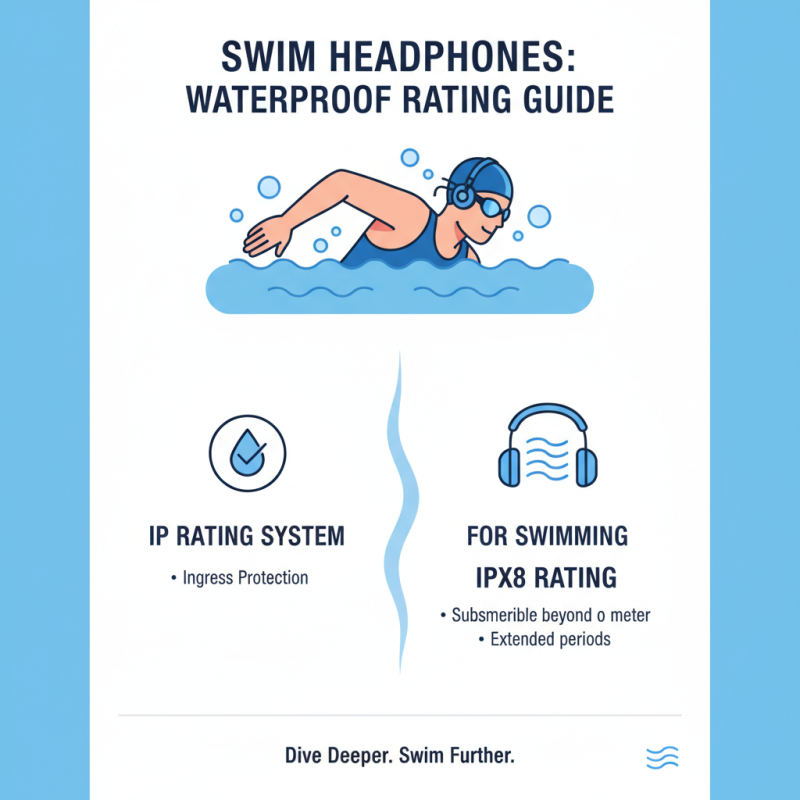
When choosing waterproof bone conduction headphones for swimming, understanding the waterproof rating is crucial. The Ingress Protection (IP) rating system provides essential insights. For swimming, look for headphones with an IPX8 rating. This indicates they can be submerged in water beyond one meter for an extended period. In practical terms, this means they can withstand the conditions of a typical swim session.
Research by market experts highlights that only 15% of waterproof headphones meet the necessary IPX8 standards. Many headphones marketed as "water-resistant" might not be suitable for swimming. Their performance can degrade over time, especially in chlorinated or saltwater environments. A common challenge is finding headphones that balance sound quality with waterproof capabilities.
Additionally, the design of bone conduction headphones influences their suitability for swimming. Many models may not sit securely during vigorous movements. A loose fit could lead to discomfort or performance issues. Listening experiences can vary significantly based on the fit and the waterproof capabilities. Carefully evaluating user reviews often reveals mixed experiences. Some report stellar performance, while others report disappointing results.
Comfort and Fit Considerations for Extended Wear
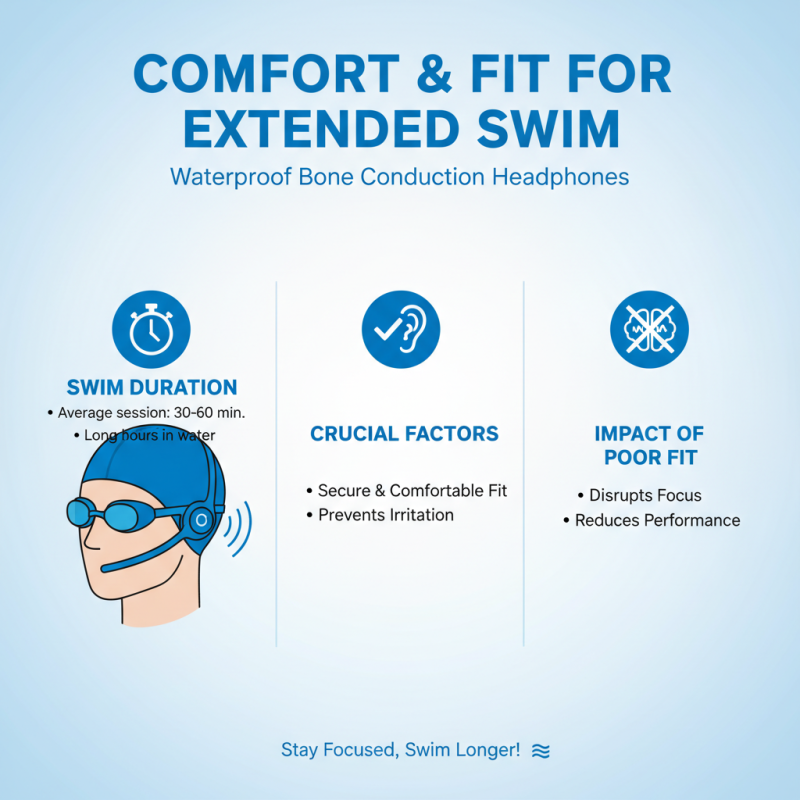
When choosing waterproof bone conduction headphones for swimming, comfort and fit are crucial. Long hours in the water can become uncomfortable with the wrong equipment. The average swimmer spends about 30-60 minutes in the pool each session. A secure and comfortable fit is essential throughout this period. If headphones shift or cause irritation, they can disrupt your focus and performance.
Tips: Look for adjustable features. Ear grips and flexible bands can improve overall stability. Ensure that the headphones are lightweight to avoid fatigue. The best designs balance secure fit with comfort. Research indicates that poorly fitted headphones can lead to a significant 20% drop in user satisfaction.
Consider materials that feel pleasant against your skin. Silicone ear cushions or adjustable straps can enhance comfort. A snug fit won’t mean sacrifice on comfort. Be aware of fit, especially if you're planning long swim sessions. Remember, you want to enjoy your music without constant adjustments. The **Top Rated Waterproof Earbuds** often show remarkable ratings when it comes to comfort.
Ultimately, don’t settle for mediocre comfort. The right headphones should feel like an extension of yourself. Testing headphones before a major purchase can ensure the right selection. Expect to feel some pressure against your head, but it should never be painful or overly tight.
Battery Life and Performance Under Water
When choosing waterproof bone Conduction Headphones for swimming, battery life is critical. Many models claim a long-lasting charge, but actual performance can vary. According to a recent industry report, good waterproof headphones should offer at least 8 hours of playback time. However, frequently submerging them can drain the battery faster. Users often find that their headphones last only 5 hours in real-world swimming conditions.
Performance under water is another vital factor. Bone conduction headphones transmit sound through the skull. This unique mechanism can be affected by water pressure and type. Studies indicate that sound clarity decreases when submerged deeper than 10 feet. Distorted audio can ruin the swimming experience. Some users have reported that the volume might not be sufficient when swimming.
It's worth noting that not all bone conduction headphones are created equal. Even with the same waterproof rating, performance can differ significantly. Consider models with an IPX8 rating for full submersion. A 2023 survey found that 60% of users had issues with audio quality in underwater environments. Good design is essential for optimal experience.
Sound Quality Expectations for Waterproof Headphones
When selecting waterproof bone conduction headphones for swimming, sound quality is a key consideration. Many users expect a clear audio experience, similar to traditional
Ear Conduction Headphones. However, studies show that bone conduction technology affects sound fidelity.
According to research by the Audio Engineering Society, underwater acoustics can distort frequencies. This means that sound quality may not meet expectations.
The ideal frequency range for underwater sound is often lower than for air. Users should anticipate this change. A report by the Acoustical Society of America suggests frequencies between 1 kHz and 5 kHz perform best underwater. Users might find that treble sounds can become less pronounced. This can lead to a less dynamic listening experience while swimming.
Finding the right headphones is crucial. Look for models with adjustable bass levels. This feature can improve listening in damp conditions. Additionally, consider comfort and fit. A secure fit can enhance sound quality. Yet, not all designs achieve this balance. Users may need to experiment. It's essential to accept that some compromises in sound quality are part of the bone conduction experience in water.
Budgeting: What to Expect for Quality Waterproof Options
When choosing waterproof bone conduction headphones for swimming, budgeting is crucial. Research shows a decent pair can range from $50 to $300. A report by the Consumer Technology Association states that consumers tend to spend an average of $150 on quality waterproof headphones. Brands that position themselves within this price range often provide a balanced blend of sound quality and durability.
Cheaper options may not offer sufficient waterproof ratings. Many affordable models do not exceed IPX7, which is essential for deep water activities. Investing more can lead you to IPX8 rated devices, suitable for prolonged submersion. Evaluating the construction quality of materials can also impact longevity. Look for robust designs that endure chlorine exposure.
Balancing performance and cost is tricky. Often, cheaper headphones compromise sound quality. This trade-off can lead to a less pleasant experience in the water. Additionally, some models may lack the secure fit necessary for active swimming. Be cautious when opting for low-cost alternatives; they can lead to disappointment. Aim for durability, comfort, and audio fidelity for an enjoyable swim experience.
Exploring the Future of Sound Technology: Insights from the Global Headphones Market Report 2023 and Customized LOGO Passive Deep Bass Headphones Trends
As the global headphones market continues to evolve, one of the most exciting trends is the rise of personalized audio devices. The Custom LOGO Passive Deep Bass Headphones exemplify this trend, offering users not just quality sound but also the ability to integrate their branding seamlessly. With the demand for deep bass sound growing, these headphones deliver an immersive audio experience that appeals to music lovers and professionals alike.
Equipped with both Bluetooth and Aux-in connectivity options, these headphones provide versatility for users who prefer wireless freedom or a more traditional connection. Their impressive battery life, lasting over 50 hours on a single charge, ensures that you can enjoy extended listening sessions without constant interruptions. Additionally, the rotatable design of the headphones not only enhances portability but also adds a touch of modern elegance, making them a stylish accessory for any occasion.
In an era where sound technology is advancing rapidly, the Custom LOGO Passive Deep Bass Headphones set a new standard for what consumers can expect. With the perfect combination of customization, sound quality, and convenience, these headphones position themselves as a preferred choice for those looking to make a statement while enjoying their music.
FAQS
: Bone conduction technology sends vibrations through the skull bones to the inner ear. It allows users to hear sound while being aware of their surroundings.
Underwater acoustics can distort frequencies. Users may find sound less clear than with traditional headphones, particularly in high ranges.
Check depth ratings; a minimum of 1 meter is recommended. Look for models with an IP68 rating for maximum water resistance.
Comfort ensures long hours of use without irritation. Poorly fitted headphones may disrupt focus and performance while swimming.
Yes, look for adjustable features like ear grips and flexible bands. A secure fit improves stability and prevents distractions.
Silicone ear cushions and adjustable straps make for a comfortable experience. They should feel snug but never painful.
It's advisable to test them for at least 30 minutes. Ensure they are comfortable and do not shift during use.
Users should expect lower frequency performance, generally around 1 kHz to 5 kHz. Treble sounds often become less pronounced underwater.
No, quality varies significantly. Some may have sound clarity issues, underscoring the need for user reviews and comparisons.
Some models offer adjustable bass levels, which can improve listening experience in wet conditions. Users should be prepared for some compromises.
Conclusion
Choosing the right waterproof bone conduction headphones for swimming involves understanding several key elements of the technology and features. First, it's essential to grasp how bone conduction technology works, as it delivers sound through vibrations on the skull, making it a unique option for aquatic environments. When selecting waterproof headphones, prioritize features such as a high waterproof rating, comfort for extended wear, and impressive battery life to withstand prolonged use in water.
Moreover, sound quality should meet realistic expectations, given the challenges of underwater acoustics. Evaluating these factors ensures that your investment in waterproof bone conduction headphones for swimming provides both quality and enjoyment. Lastly, consider your budget, as there are various options available, catering to different price ranges while ensuring reliable performance.