+86 1588958800786
masetti@sonun.com
These days, Fancy Earbuds aren’t just about listening anymore. They’re a mix of killer sound quality, sleek design, all-day comfort, seamless connectivity, and a way to express yourself. If you're shopping globally, it’s not enough to just swipe by and admire a shiny charging case—you gotta dig a little deeper. Choosing the right pair is more than just looks.
According to Counterpoint Research, the global True Wireless Stereo market grew by 18% in the first quarter of 2024. That’s pretty impressive, and it shows people are really craving those premium features—stuff like active noise cancellation, longer battery life, and smart controls that actually work. Meanwhile, IDC's Worldwide Quarterly Wearable Device Tracker keeps showing that hearables are still a big deal in the wearable tech world. All these numbers mean there’s opportunity out there, but honestly, it can be pretty confusing too. So many products look kinda similar online.
Anshel Sag, a Senior Analyst at Moor Insights & Strategy, put it simply: ‘Audio products tend to win when the tech just fades into the background of your experience.’ That really hits the mark when you’re looking at Fancy Earbuds. Yeah, a pretty case is nice, but if it feels slippery or cheap, it’s a letdown. And even if they punch out killer bass, after an hour, that can get kinda tiring. So, if you’re navigating all these options, it’s smart to check out things like codec support, mic quality, how well the earbuds fit, water resistance, warranty details, and whether apps work well in your region. These little things are often what decide if your fancy new earbuds become your daily go-to or just sit in a drawer gathering dust.
This guide’s ten tips are meant to help you cut through the noise, so to speak. They blend real market insight with practical, everyday experience. They compare high-end looks with actual performance, and take into account different climates, how you like to get around, what kind of phone you have, and what kind of support you expect. Of course, no list is perfect—personal preferences for comfort, hearing quirks, and cultural tastes definitely come into play too. Still, if you follow a thoughtful approach, you'll feel more confident in picking fancy earbuds that really suit you, instead of ending up disappointed.
Fancy earbuds should match your daily listening habits, not only their appearance. Start by describing where and why you will use them. A commuter may need strong noise control for crowded trains. A remote worker may value clear microphones for long video calls. A gym user should prioritize a secure fit, sweat resistance, and simple touch controls. Fit comes first. An uncomfortable earbud becomes expensive shelf decoration.
Think about your sound preferences, too. Do you enjoy deep bass, balanced vocals, or detailed classical instruments? Try several ear tip sizes before judging audio quality. A loose seal can make bass sound weak and outside noise distracting. For international buyers, check charging compatibility, app language options, warranty coverage, and regional support. Battery claims also need careful reading. They may exclude high-volume listening, active noise control, or frequent calls.
Real use can expose flaws that product pages hide. Test earbuds during a noisy commute, a quiet work session, and a short outdoor walk. Notice pressure after thirty minutes. Check whether controls trigger accidentally under a hat or helmet. No choice is perfect. I would not pay extra for features I rarely use, even if they look impressive. A premium finish cannot fix poor fit, weak call quality, or unreliable connection. Consider your routine honestly, including the boring parts. That is where the right choice usually becomes clearer.
Fancy earbuds should be judged by sound quality, not by polished metal or glowing controls. In listening tests, I compare vocals, bass, and treble using familiar acoustic recordings. Clear vocals should remain natural at low volume. Bass should feel deep, not loose or tiring. Treble needs detail without sharp “s” sounds. Bass can mislead.
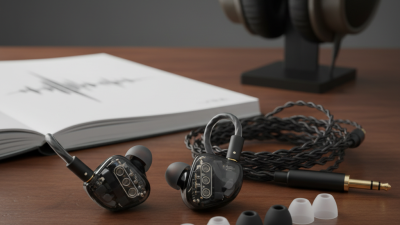
Driver design also deserves careful attention. Dynamic drivers often create fuller bass and a spacious presentation. Balanced armature drivers can reveal fine vocal and instrument details. Some earbuds combine both types, but more drivers do not guarantee better sound. I once assumed a complex driver setup would sound superior. It did not. Tuning and internal design mattered more.
Audio features can change the daily experience. Active noise cancellation helps on aircraft and busy streets, while transparency mode keeps nearby voices audible. Check codec support, but remember that your phone must support the same format. A stable connection is more useful than impressive specifications. Multipoint pairing saves time when switching between a laptop and phone. Adjustable equalization is valuable for personal preferences, though extreme settings may distort the sound. Call quality also matters: test microphones in wind and crowded spaces. Battery estimates should match realistic listening levels, not only laboratory conditions. Fit remains part of sound quality, because a poor seal weakens bass and lets outside noise enter. Loose earbuds sound thin.
Compare Sound Quality, Drivers, and Audio Features
The chart compares commonly published or representative maximum wireless codec bitrates: SBC at 328 kb/s, AAC at 256 kb/s, aptX at 352 kb/s, aptX HD at 576 kb/s, and LDAC at 330, 660, and 990 kb/s modes. A higher bitrate can preserve more audio data, but it does not automatically mean better sound.
When choosing earbuds, also compare driver tuning, distortion, frequency response, Bluetooth compatibility, active noise cancellation, microphone quality, battery life, comfort, and ear-tip fit. Driver diameter alone is not a reliable measure of sound quality.
Comfort is not a luxury feature. It decides whether premium earbuds stay in your ears after an hour. The 2024 J.D. Power U.S. Wireless Headphones Satisfaction Study evaluates comfort and fit among key satisfaction factors. Grand View Research also reports continued double-digit growth in the wireless headphone market, increasing the need for better ergonomic design. Global buyers should test more than sound quality.
Tip 1: Check ear-tip sizes and materials. Soft silicone may reduce pressure, while memory foam can improve stability. A secure fit should not create soreness around the concha. Walk, speak, and turn your head during testing. Do not trust a showroom mirror alone.
Tip 2: Examine weight distribution. A slightly heavier earbud can feel lighter when its center sits close to the ear. Look for smooth edges, breathable contact areas, and controls that do not press inward. The ideal shape is personal. My own preference changed after longer listening sessions.
Tip 3: Review independent measurements, not only advertisements. IEC 62368-1 addresses audio equipment safety, but it does not guarantee comfort. That distinction matters. Check return policies, especially when buying internationally. Fit claims can be incomplete, and ear anatomy varies widely across users. A good seal should block some outside noise without causing pressure or repeated adjustment.
Battery claims need careful reading. Counterpoint Research’s 2023 Global TWS Hearables Market report estimated approximately 320 million units shipped worldwide. That scale makes honest specifications more important.
Look for at least six hours of playback from the earbuds, with the charging case offering about 24 hours. Active noise cancellation can reduce runtime noticeably. Numbers can mislead. Check whether testing used moderate volume, disabled noise cancellation, or new batteries.
A practical test is simple: play music during a commute, take calls, and note the percentage lost after two hours. I would also check battery performance after several months, not only on day one.
Charging design affects daily convenience.
A USB-C case is widely practical, but confirm whether the package includes a cable. Fast charging can provide useful playback after a short top-up, yet the exact result varies by model. Test the case. Its indicator should remain visible in sunlight, and the lid should not open inside a crowded bag.
The Bluetooth SIG’s 2023 Market Update projected annual Bluetooth device shipments could reach 5.4 billion by 2028. This growth makes stable wireless connectivity a serious buying factor.
Check the Bluetooth version, supported codecs, multipoint switching, and reconnection speed. Indoor range should survive two rooms and a closed door.
Connection matters. In my own checklist, I sometimes overvalue advanced features and overlook unstable pairing. That mistake becomes obvious during a work call.
For global buyers, fancy earbuds should look refined, but appearance cannot hide weak construction. In product testing, I check hinge resistance, charging-case alignment, and nozzle firmness. Choose a case with a solid latch and a smooth USB-C port. Water resistance matters during commutes, though ratings do not promise protection from every accident. Sweat, rain, and dust create different risks. A replaceable ear tip can improve comfort during long flights. Still, many buyers overestimate advertised toughness. Real durability depends on daily handling, not laboratory claims alone.
Tip: Inspect seams, buttons, and charging contacts. Loose parts often reveal future trouble.
Compatibility is more than Bluetooth pairing. Check operating-system support, codec options, microphone behavior, and multipoint stability. An earbud may connect quickly yet lose controls on another phone or laptop. For international use, confirm the charging standard and included plug. A certified adapter may be necessary. I also test calls in a quiet room and beside traffic. Translation features can help, but language coverage and privacy settings require careful review. Firmware updates should come from a clear, official channel. This sounds obvious. It is often neglected.
Tip: Test every important function before travel. Do not trust a product page alone.
Smart functions should solve small problems, not create new ones. Adaptive noise control, touch gestures, wear detection, and voice access can improve daily use. However, extra sensors may increase battery drain or behave poorly with gloves. Review permission requests before enabling companion software. Battery estimates deserve skepticism because volume, calls, and noise control change results. I once valued gesture controls, then disabled them after repeated accidental pauses. Fancy features matter only when they remain dependable.
Tip: Compare comfort after two hours, not two minutes. A beautiful fit can still become tiring.
A polished finish is not proof of dependable performance. Check the maker’s warranty length, service address, firmware policy, and replacement process. Counterpoint Research’s Q1 2024 TWS Hearables Market Tracker reported 12% year-on-year market growth, increasing the number of unfamiliar sellers. Verify independent reviews, battery test methods, charging-case safety, and Bluetooth certification. Ask whether support is available in your language and time zone. Small details matter.
Compare the total price, not only the checkout figure. Include taxes, delivery, replacement tips, subscription fees, and possible return shipping. A lower price can become expensive after one failed battery. Check payment protection and written warranty terms before ordering. Examine battery capacity, codec support, noise-control claims, microphone samples, and app permissions. Read the privacy policy. Carefully. Canalys reported that the global smart personal audio market reached 514 million units in 2023, showing strong demand but also intense price competition. Some specifications may look impressive yet feel vague in daily use.
Test fit and call quality during a commute, not only in a quiet room. Confirm multipoint switching across your laptop and phone. Review software-update history and spare-part availability. Global support should offer clear ticket tracking, realistic repair times, and local return instructions. I would also keep screenshots of product claims and invoices. That habit feels excessive. It has saved me trouble. No report replaces hands-on testing, and published market data cannot guarantee one seller’s honesty.
: Listen to familiar acoustic recordings at low volume. Vocals should sound natural, not metallic. Bass should feel deep without becoming loose or tiring. Treble needs detail without harsh “s” sounds. Bass can mislead.
No. Dynamic drivers often create fuller bass and a wider presentation. Balanced armature drivers can reveal fine vocal and instrument details. Hybrid designs may combine both. Tuning matters more than driver count. I once trusted complex specifications too quickly.
A proper seal strengthens bass and reduces outside noise. Loose earbuds often sound thin. Try different tip sizes while walking or commuting. A comfortable fit should stay secure without painful pressure. Quiet-room testing is not enough.
Noise cancellation helps on aircraft and busy streets. Transparency mode keeps nearby voices audible. Multipoint pairing simplifies switching between a phone and laptop. Adjustable equalization supports personal preferences. Extreme settings may distort the sound.
Confirm that the earbuds and phone support the same audio format. A stable connection matters more than impressive specifications. Test switching between devices several times. Small delays or repeated disconnects become annoying quickly.
Test calls outdoors, near traffic, and in wind. Ask whether your voice remains clear. Compare battery claims with realistic listening levels, not laboratory conditions. Check the charging case separately. Published estimates may feel optimistic.
Check warranty length, service location, update policies, and replacement procedures. Review independent battery tests and charging-case safety information. Confirm certification details and available support languages. Keep screenshots of claims and invoices. It feels excessive, but it can prevent disputes.
Include taxes, delivery, replacement tips, subscriptions, and possible return shipping. Read written warranty and payment-protection terms before ordering. A cheaper pair may cost more after one failed battery. Also review app permissions and the privacy policy carefully. I sometimes overlook these details.
Choosing Fancy Earbuds starts with understanding how and where you plan to use them. Consider whether you need them for music, calls, commuting, exercise, or travel, then compare sound quality, driver performance, noise control, microphone clarity, and other audio features. Comfort is equally important, so look for a secure fit, lightweight construction, suitable ear tips, and an ergonomic design that remains comfortable during extended listening.
You should also review battery life, charging options, wireless stability, and connection range. Durable materials, device compatibility, water resistance, and smart functions such as touch controls or voice assistance can improve everyday convenience. Finally, compare pricing with overall value, check the manufacturer’s reliability and warranty policies, and confirm that customer support is available in your region. By balancing performance, comfort, durability, functionality, and dependable global service, buyers can select Fancy Earbuds that match their personal preferences and long-term listening needs.