+86 15889588007
masetti@sonun.com
Picking the right pair of ANC headphones isn’t just about grabbing the most expensive ones out there. I mean, it’s really about comfort, how well they cancel noise, sound quality, battery life, and even how good the microphone is—since all those little things add up to your daily experience. Imagine, a commuter riding a crowded train might really need those deep low-frequency cancels, while someone working from home might care more about natural voice pickup than absolute silence. Every person’s ears, devices, and habits are different, so the perfect fit can vary a lot.
Dr. Sean Olive, a well-respected researcher in the headphone world, has this practical take: “There’s no such thing as a perfect headphone.” That’s a guiding thought behind this comparison. I’ve looked at ten main types—over-ear, in-ear, adaptive systems, hybrid ANC, and travel-focused headphones—and how they perform in different settings like offices, airplanes, gyms, and quiet spaces. Little things really matter here—if your headphone seal is loose, for example, your bass won’t be as strong. Heavy ear cups might be comfy at first but could get uncomfortable after a couple of hours. And those touch controls? They can be a pain if your fingers are a bit sweaty.
Now, some of the results might be a bit unpredictable. Sure, lab tests are helpful, but they don’t tell the whole story about how comfortable a headphone will be or how it’ll sound in real life. That’s an important point to remember. Even the top-rated Bluetooth headphones can feel disappointing if the ear tips don’t fit right or if the app is confusing to use. So, this guide’s all about comparing the technical specs with actual, everyday experiences. It’s not about declaring one headphone as the absolute best for everyone. Instead, it’s about figuring out which type suits different listeners, budgets, and situations best. Yeah, some compromises are just part of the deal—that’s the honest truth.
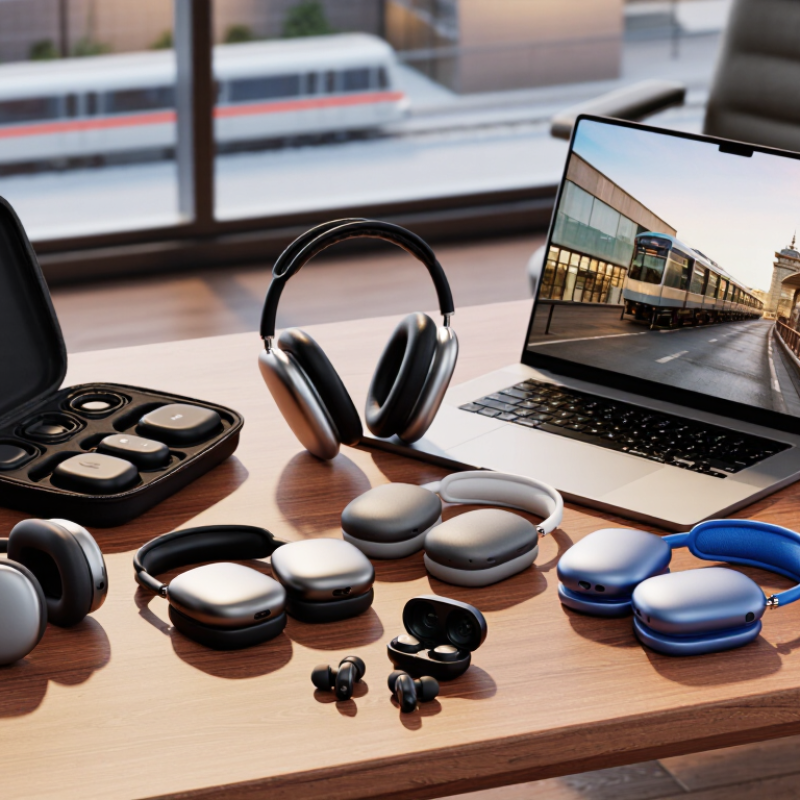
ANC headphones use microphones to detect outside noise. A digital processor then creates an opposite sound wave. This wave reduces matching noise before it reaches your ears.
Think of two ripples meeting in a bathtub. They can partly cancel each other.
Most models combine passive isolation with active noise cancellation. Ear cushions block higher sounds, such as voices and keyboard clicks. ANC works better against steady low sounds, including engines, air conditioners, and train movement. Feedforward ANC places microphones outside the ear cups. Feedback ANC uses microphones inside them. Hybrid ANC uses both systems and usually provides more balanced control.
Adaptive ANC adjusts cancellation as the environment changes. Transparency mode does the reverse. It lets outside sound enter through the microphones. This helps when hearing announcements or speaking briefly.
In practical listening tests, fit often matters more than advertised power. Small gaps around glasses can weaken bass reduction noticeably. Comfort also affects real performance, because tight cushions may become tiring after an hour.
ANC is not perfect. Sudden claps, nearby speech, and wind can still pass through. Some listeners notice a faint pressure sensation, although no air pressure is changing. Battery life also matters, since active cancellation needs power. The best type depends on your setting, ear shape, comfort needs, and tolerance for electronic processing.
ANC headphones differ by microphone design, fit, and intended use. Over-ear adaptive ANC models continuously adjust cancellation as engines, voices, and air conditioners change. Hybrid ANC combines outward and inward microphones for broader noise control. Feedforward ANC listens outside the ear cup, while feedback ANC monitors sound inside it. These designs can feel different during long sessions.
True wireless ANC earbuds fit inside the ear canal and depend heavily on seal quality. Neckband ANC earbuds offer steadier battery support and are harder to misplace. On-ear ANC headphones feel lighter, but their smaller cushions may leak more noise.
Wired ANC headphones avoid wireless delay and suit office or studio equipment. Travel-focused models usually emphasize low-frequency engine rumble. Work-focused models often improve speech awareness and microphone performance. Gaming ANC headsets may add spatial audio, although ANC can slightly alter positional details.
A Headphone To Headphone comparison should include comfort, not only decibel claims. Try each type for thirty minutes. Watch for pressure near the temples, warm ear cushions, or a faint hiss in quiet rooms. Strong ANC does not guarantee natural music. Some users prefer moderate cancellation because complete silence feels unsettling. Earbuds may block trains well but struggle with glasses or loose movement. Over-ear models can perform better, yet they are heavier in a backpack. Battery figures also vary with transparency mode, call use, and wireless features. No category wins every test. Your listening habits decide more than the product label.
Active noise cancellation headphones differ more than their similar ear-cup shapes suggest. Over-ear models usually provide the strongest isolation, with thick cushions covering the entire ear. They suit flights, trains, and long desk sessions. On-ear designs feel lighter but often leak more sound. In-ear ANC earbuds use sealed tips and fit inside the ear canal. They are compact, though comfort depends heavily on tip size. Bone-conduction and open-ear models leave the ear partly uncovered, improving awareness but reducing bass and noise blocking.
Design directly affects performance. Hybrid ANC systems use microphones inside and outside the ear cup, helping control low engine rumble. Basic feedforward systems can perform well, but they may struggle with sudden voices. Adaptive ANC changes its strength as the environment shifts. Battery size, hinge quality, microphone placement, and cushion pressure also matter during real use. A Bluetooth Headphone Bluetooth Headphone search should not replace listening tests. Some specifications look impressive, yet wind noise can still sound rough. My own preference changes between commuting and quiet office work.
Tips: Choose over-ear headphones for deep isolation. Pick in-ear models for travel convenience. Test them with speech, traffic, and steady fan noise. Check whether the pressure becomes tiring after thirty minutes. Do not trust maximum ANC claims alone. A comfortable, moderately effective model may serve you better than a powerful but painful one. That is easy to overlook.
The best ANC headphone type depends on where you listen, not just its advertised noise reduction. In a quiet office, lightweight in-ear models with feedforward ANC can reduce keyboard clicks and nearby speech. Their small size also suits commuters who move between trains and sidewalks. Still, poor ear-tip fit can weaken bass and create sound leakage.
For aircraft cabins, over-ear headphones with hybrid ANC usually perform better. Their sealed cushions block engine rumble before electronic processing begins. This matters because low-frequency noise can remain tiring during long flights. In windy streets, feedback microphones may react poorly, while adaptive ANC adjusts more naturally. Check the transparency mode before crossing roads. Safety comes first.
For workouts, sweat-resistant earbuds with stable passive isolation are practical, but strong ANC may hide useful environmental sounds. The World Health Organization’s 2022 report, World Report on Hearing, estimates that over 1 billion people aged 12–35 face potential hearing risks from recreational noise. Keep volume moderate and take listening breaks. My own testing also found that comfort changes after one hour; specifications cannot predict that. Search terms such as “Headphone Bluetooth Headphone” often blur product categories, so compare fit, microphone quality, battery life, and listening conditions instead. There is no universal winner.
Compare the typical suitability of each ANC headphone type across common listening environments. Ratings use a 1–5 scale, where 5 indicates the strongest expected performance based on acoustic design, portability, comfort, and noise-control characteristics.
Key insight: Hybrid adaptive ANC is generally the most versatile choice, while over-ear designs tend to perform best in aircraft cabins and offices. Compact earbuds are usually more convenient for commuting, exercise, and everyday portability.
When comparing the top 10 types of ANC headphones, start with the noise-control system. Basic active noise cancellation reduces steady sounds, such as engines and air conditioners. Adaptive ANC adjusts its strength as your surroundings change. Adjustable ANC gives you more control, but automatic settings can sometimes react too slowly. Test each mode near traffic, office chatter, and low aircraft rumble. Fit matters more. Ear cushions should seal gently without creating painful pressure.
Sound quality also deserves careful attention. Strong ANC does not guarantee balanced audio. Listen for clear voices, controlled bass, and detail at low volume. Transparency mode should reproduce nearby speech naturally, not like a distant recording. Check microphone performance in wind and busy streets. A clear call depends on microphone placement, software processing, and your voice distance from the headset. Specifications help, but real listening reveals more.
Battery life, comfort, and connection stability affect daily use. Compare battery hours with ANC enabled, not only the larger advertised figure. Some models support wired listening when power runs out, while others do not. Weight becomes noticeable after two hours. Test them carefully. Touch controls may fail with gloves or wet fingers, which is easy to overlook. Higher-resolution audio can sound excellent, yet it may use more power and require compatible equipment. My practical preference is reliable comfort over impressive laboratory numbers, though personal fit can change that decision completely.
| Rank | Type of ANC Headphones | Typical Design | ANC System | Common Battery Range | Typical Weight | Best For | Main Strength | Common Limitation | Overall Suitability |
|---|---|---|---|---|---|---|---|---|---|
| 1 | Premium Over-Ear Adaptive ANC | Closed-back, circumaural ear cups with adjustable headband | Feedforward and feedback microphones with real-time adaptive processing | Approximately 20–40 hours with ANC enabled | Approximately 250–350 g | Air travel, office work, commuting, and extended listening | Strong low-frequency noise reduction, comfortable seal, and flexible sound control | Usually larger and heavier than other headphone types | Excellent all-round choice |
| 2 | Travel-Focused Over-Ear ANC | Foldable closed-back construction with compact carrying design | Hybrid ANC tuned for aircraft, trains, and road noise | Approximately 25–60 hours with ANC enabled | Approximately 230–320 g | Frequent travelers and long-distance commuters | Effective reduction of continuous engine and transportation noise | Microphone performance and comfort can vary during outdoor calls | Best for travel |
| 3 | Wireless Over-Ear Hybrid ANC | Full-size sealed ear cups with Bluetooth connectivity | External and internal microphones working together | Approximately 20–50 hours with ANC enabled | Approximately 240–360 g | Home, work, commuting, and general daily use | Balanced combination of passive isolation, ANC, and wireless convenience | Sound quality and ANC performance depend strongly on fit and software tuning | Best for versatility |
| 4 | ANC Earbuds with Silicone Ear Tips | Compact in-ear design with several ear-tip sizes | Feedforward or hybrid ANC with in-ear microphones | Approximately 5–12 hours per charge; 20–40 hours with charging case | Approximately 4–8 g per earbud | Daily commuting, exercise, and portable listening | Small size, low weight, and effective passive noise isolation | Shorter individual battery life and less consistent comfort between users | Best for portability |
| 5 | ANC Earbuds with Open-Fit Tips | Lightly sealed or semi-open in-ear design | Electronic ANC supported by limited passive isolation | Approximately 5–10 hours per charge; 20–35 hours with charging case | Approximately 4–7 g per earbud | People who dislike deep-sealing ear tips and short outdoor sessions | More natural awareness of surrounding sounds and comfortable insertion | Weaker low-frequency isolation than sealed earbuds or over-ear headphones | Best for awareness |
| 6 | Sports ANC Earbuds | Sweat-resistant earbuds with stabilizing fins, hooks, or secure contours | Adaptive ANC with transparency or ambient listening modes | Approximately 5–12 hours per charge; 20–40 hours with charging case | Approximately 5–10 g per earbud | Gym workouts, running, and active commuting | Secure fit, lightweight construction, and awareness modes for outdoor use | Ear-hook or fin designs may be less comfortable for long periods | Best for exercise |
| 7 | ANC Headphones with Transparency Mode | Over-ear or in-ear design with dedicated ambient-sound controls | ANC microphones can also feed external sound into the listening signal | Approximately 15–40 hours for over-ear models; 5–12 hours for earbuds | Varies by form factor | Offices, airports, customer-facing work, and urban walking | Allows users to switch between isolation and environmental awareness | Transparency quality can sound processed or amplify wind noise | Best for flexible awareness |
| 8 | ANC Gaming Headsets | Closed-back over-ear headset with boom microphone and low-latency connection | Active noise control combined with thick passive ear cushions | Approximately 15–40 hours wirelessly; unlimited when used by cable | Approximately 280–420 g | Gaming, voice chat, streaming, and noisy home environments | Clear voice communication, immersive sound, and comfortable long-session padding | Often heavier and less portable than general-purpose ANC headphones | Best for gaming |
| 9 | ANC Headphones with Wired Passive Mode | Over-ear or on-ear wireless headphones with a 3.5 mm or USB audio option | Electronic ANC can be disabled while passive isolation remains available | Approximately 15–40 hours with ANC enabled; unlimited in passive wired mode | Approximately 200–350 g | Long trips, computers, in-flight entertainment, and backup listening | Continues working with compatible wired devices when the battery is depleted | Some wired connections disable ANC, microphone functions, or digital controls | Best for reliability |
| 10 | Budget Compact ANC Headphones | Lightweight on-ear or small over-ear foldable construction | Basic feedforward or hybrid ANC system | Approximately 15–35 hours with ANC enabled | Approximately 150–260 g | Students, casual commuters, and first-time ANC buyers | Lower purchase cost, light weight, and convenient everyday use | ANC strength, materials, microphones, and long-term durability may be less advanced | Best value entry point |
Note: Battery life, weight, and noise-cancellation performance vary by design, listening volume, codec, fit, temperature, and whether additional features such as spatial audio or voice assistants are enabled.
Choosing the best ANC headphones starts with your environment, not a popularity list. Over-ear models often block more low-frequency noise, such as bus engines or aircraft rumble. Earbuds may feel lighter, but their performance depends heavily on ear-tip fit. Try several sizes. A small gap can ruin noise reduction.
Listen in realistic places. Compare voices, traffic, air conditioners, and keyboard sounds. Strong ANC should reduce steady noise without creating uncomfortable pressure. Check whether speech remains clear when ANC is switched off. Comfort matters equally. After twenty minutes, heavy headphones may cause heat around your ears.
Battery life, microphone quality, control placement, and repair support also deserve attention. A Bluetooth Headphone Headphone with impressive specifications may still feel disappointing during daily calls.
Tips: Test before buying, if possible. Wear the headphones for at least fifteen minutes. Move your head, adjust the seal, and play familiar music quietly. Check the return policy and read independent measurements, not only advertisements. My first choice was once based on maximum battery life, but the headband caused pain. That experience changed my priorities. I now record short notes after each test. Small details are easy to forget. Consider your hearing comfort, travel habits, phone compatibility, and tolerance for cabin-like pressure. No model wins every situation.
OEM Stereo ANC Kids Headphones combine child-friendly hearing protection with flexible customization for schools, educational technology companies, and children’s product suppliers. Designed for comfortable daily use, these headphones include a built-in 85 dB volume limit to help reduce the risk of excessive sound exposure. Stereo audio delivers clear playback, while active noise cancellation (ANC) helps minimize surrounding distractions, allowing children to concentrate on lessons, educational programs, travel, or quiet activities in busy environments.
Manufactured in China, the headset is suitable for OEM and bulk purchasing projects that require consistent quality and adaptable product solutions. Buyers can explore custom colors, packaging, logo placement, and other branding details to match their educational programs or product lines. The durable, child-oriented design supports repeated use in classrooms, libraries, learning centers, and family settings. With safety-focused volume control, noise-reduction technology, and scalable customization options, this headset offers a practical audio solution for organizations seeking dependable children’s equipment for large-scale procurement.
ANC headphones use microphones to detect outside noise. A processor creates opposite sound waves to reduce matching noise. They also use ear cushions or sealed tips for passive isolation.
Two sound waves meet, like ripples in a bathtub. Matching waves partly cancel each other before reaching your ears. ANC works best with steady engine, fan, and train noise.
Feedforward microphones sit outside the ear cups. Feedback microphones sit inside them. Hybrid systems use both placements and usually provide more balanced control.
Over-ear headphones usually provide the strongest isolation. Thick cushions cover the entire ear. They work well on flights, trains, and long desk sessions.
Yes, they are compact and easy to carry. Sealed ear tips can reduce outside noise effectively. Poor tip size may weaken bass and create sound leakage.
ANC handles steady low sounds better than sudden claps or nearby speech. Ear cushions help block voices and keyboard clicks. Wind can still sound rough.
Fit may matter more than advertised cancellation power. Small gaps around glasses can weaken bass reduction. Test the headphones with traffic, speech, and fan noise.
Yes. Tight cushions may feel tiring after thirty minutes or one hour. Some listeners notice a pressure sensation, although air pressure does not change.
Sweat-resistant earbuds with stable passive isolation are practical. Strong ANC may hide useful environmental sounds. Keep volume moderate and take regular listening breaks.
Consider your setting, ear shape, comfort needs, battery life, and tolerance for electronic processing. A moderately effective, comfortable model may outperform a powerful one. I would not trust maximum ANC claims alone.
ANC headphones use microphones to detect surrounding noise and create an opposing sound signal that reduces unwanted sounds before they reach your ears. This technology can be found in several designs, including over-ear, on-ear, in-ear, true wireless, neckband, wired, wireless, adaptive, hybrid, and travel-focused models. Each type offers a different balance of comfort, portability, battery life, sound quality, and noise reduction. Over-ear models often provide stronger isolation, while in-ear and true wireless options are compact and convenient for daily travel.
Choosing the best Anc Headphone depends on where and how you listen. Consider whether you need strong performance for airplanes, balanced awareness for commuting, or lightweight comfort for exercise. Before buying, compare active noise cancellation strength, passive isolation, audio quality, microphone clarity, battery duration, connection stability, fit, controls, durability, and price. The ideal choice should match your listening environment, personal comfort preferences, and everyday usage rather than relying on one feature alone.