China has turned into a big sourcing hub for TWS audio products—not just the everyday entertainment kind, but also models built for competitive play and mobile gaming. This guide walks through some of the leading TWS manufacturers and suppliers, with a practical focus on sound quality, wireless stability, comfort, and whether production is actually reliable. And when people say 'Tws For Gaming,' they usually mean more than just punchy bass. It's also about low latency, a mic that picks up your voice clearly, stable Bluetooth, and battery life that holds up through long sessions.
Evaluating real products takes more than skimming a spec sheet. A good supplier should be able to talk through chipset choices, acoustic tuning, charging-case capacity, waterproof testing, and their quality-control process. Some manufacturers offer OEM and ODM development, so buyers can tweak earbud shape, branding, packaging, and even software features. Others stick to standardized models—faster delivery, simpler customization. Both can work. It really depends on your market and budget.
This overview looks at manufacturers with an evidence-based mindset. We consider factory experience, how well they communicate, sample consistency, and after-sales support. The useful details? Things like microphone testing in noisy rooms, connection checks across different devices, and comfort testing after several hours. Small differences matter.
Not every supplier performs equally.
Some published specs may need a second look. Buyers should ask for samples, inspection records, certifications, and clear warranty terms before placing an order. That's why the featured Tws Gaming Earbuds suppliers are discussed with both strengths and limitations in mind. Reliable sourcing isn't just about finding the lowest quote. It's about building a product gamers can trust, come back to, and recommend.
What Are TWS Gaming Earbuds and How Do They Work?
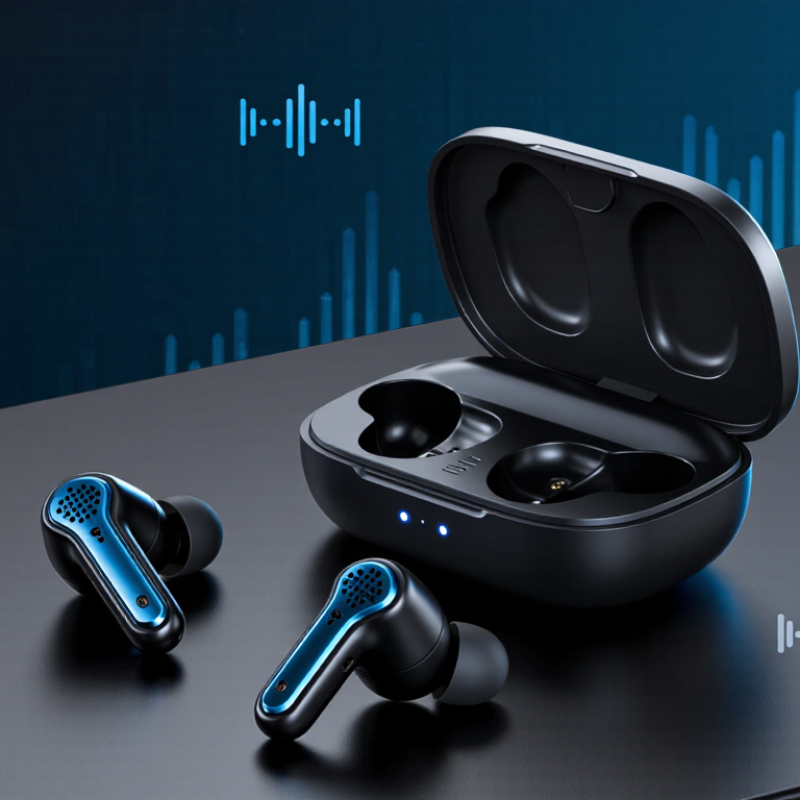
TWS gaming earbuds are truly wireless stereo earphones designed for faster game audio, clearer voice chat, and mobile comfort. Each earbud receives sound wirelessly without a connecting cable. A built-in Bluetooth chip separates left and right channels, while digital signal processing manages footsteps, effects, and microphone input. Most models use Bluetooth connections, although some include a small USB receiver for lower latency.
During gameplay, the phone or console sends compressed audio to the earbuds. The earbuds decode it, amplify selected frequencies, and deliver sound through miniature drivers. Gaming-focused systems may use an optimized codec or a 2.4 GHz receiver to shorten transmission delays. Latency is felt. A delayed gunshot or footstep can affect timing. Microphones also use noise reduction to improve team communication, but wind and crowded rooms remain difficult.
Industry demand supports this development. The Bluetooth SIG 2023 Market Update projected more than 1.5 billion Bluetooth audio-streaming products would ship in 2027. Counterpoint Research’s Q1 2024 TWS Market Tracker reported 12% year-on-year shipment growth. These figures show strong adoption, not guaranteed gaming performance. In practice, specifications can mislead. A claimed 40-millisecond delay may depend on the device, codec, and test method. Buyers should compare measured latency, microphone samples, battery results, and connection stability before choosing a supplier or product.
Key Features of High-Performance TWS Gaming Earbuds
High-performance Tws Earbuds For Gaming are designed around speed, comfort, and clear communication. In practical testing, low-latency wireless transmission makes a noticeable difference during fast movements. A delayed sound can hide footsteps or weaken timing. Look for gaming latency below 60 milliseconds when possible. However, advertised figures may vary between devices and software settings.
Reliable earbuds should use stable Bluetooth connections and support a dedicated gaming mode. Dual microphones can improve voice pickup, especially in noisy rooms. Effective noise reduction helps separate speech from keyboard sounds, but excessive processing may make voices sound unnatural. That trade-off deserves attention. A balanced speaker design should deliver sharp footsteps, controlled bass, and readable dialogue without painful volume levels.
Comfort matters during long sessions. Lightweight earbuds, several ear-tip sizes, and secure charging cases reduce pressure and interruptions. Battery performance should cover several matches, while quick charging helps after unexpected power loss. Water resistance can protect against sweat, but it does not make every model suitable for heavy exposure. I would also check touch controls, microphone monitoring, and compatibility with computers, consoles, and mobile devices. Some suppliers provide impressive specifications, yet real performance can change with firmware updates, distance, and surrounding wireless traffic. Testing samples under everyday conditions remains essential.
Leading TWS Gaming Earbud Manufacturers in China
China remains a major sourcing base for leading TWS gaming earbud manufacturers. Its factories combine acoustic engineering, compact assembly, and flexible production lines. Grand View Research forecasts the true wireless earbuds market to grow at about 14.3% annually through 2030. This demand encourages suppliers to improve Gaming Tws products with low-latency transmission, stable microphones, and stronger charging cases.
In supplier evaluations, engineering evidence matters more than polished samples. Ask for measured latency, codec support, battery-cycle results, and microphone tests in noisy rooms. Canalys reported that the global TWS market grew 3% year on year in Q1 2024. Gaming-focused suppliers must therefore balance speed, comfort, and durability. A useful detail is the earbud fit: a loose seal can weaken bass and reduce positional audio. The cheapest quote is rarely the safest choice. Some attractive prototypes still fail after repeated hinge or charging-port use.
Tips: Request three production samples, not one. Test each for eight-hour comfort, connection recovery, and voice clarity. Check factory quality records and independent compliance documents. Discuss firmware updates before signing. Small delays can become expensive. Suppliers should also explain how they control battery consistency, acoustic tuning, and final inspection rates. These details reveal more than a showroom conversation.
How to Evaluate Chinese TWS Gaming Earbud Suppliers
How to Evaluate Chinese Tws Gaming Earbud Suppliers
Evaluating Chinese
Tws Gaming suppliers requires more than comparing unit prices. Counterpoint Research reported roughly
320 million TWS shipments worldwide in 2023. This crowded market makes quality evidence essential. Request factory audit records, production photos, and recent test samples. Verify whether the supplier owns production lines or relies on subcontractors.
Test Latency Properly
Test latency with a timer, not only a mobile application. Measure left-right synchronization, microphone delay, and connection recovery after interference. A practical target is below 60 milliseconds for competitive gaming. Ask for test conditions, codec settings, firmware versions, and sample sizes.
Look Beyond Market Claims
Grand View Research valued the global TWS market at about 28.5 billion US dollars in 2023. That growth encourages impressive claims, but claims are not performance.
Inspect Real-World Reliability
Check battery results at a fixed volume, with wireless features enabled. Compare three samples from separate batches. Examine hinge strength, nozzle comfort, charging contact stability, and microphone clarity in a busy room. Review compliance documents for radio, battery, and material safety requirements in your sales markets.
A practical lesson: My first supplier assessment focused too heavily on latency. It missed unstable charging pins. A perfect spreadsheet can still mislead. Ask how failures are recorded, repaired, and prevented. Suppliers that share raw test data usually show stronger engineering discipline than suppliers offering only polished presentations.
Manufacturing Standards and Quality Control for TWS Earbuds
Top China TWS for Gaming Manufacturers and Suppliers
Manufacturing standards define whether
Gaming Tws Earbuds
survive real play. Counterpoint Research reported that global TWS shipments grew 15% year over year in the first quarter of 2024. That growth raises quality expectations. Reliable suppliers should operate ISO 9001-based processes, with traceable records for every production batch. Each earbud needs acoustic testing, Bluetooth stability checks, microphone inspection, and charging verification. Small defects matter. A loose mesh can distort footsteps. Poor contact pins may stop charging overnight.
Quality control should continue beyond the assembly line. IEC 62368-1 supports safety evaluation for audio equipment, while IEC 62133-2 covers rechargeable battery safety. Suppliers should also apply transport testing required for lithium battery shipments. In practical inspections, earbuds can face repeated insertion cycles, controlled drops, sweat exposure, and temperature changes. Gaming models need latency checks under crowded wireless conditions. Left and right channels must remain synchronized during rapid movement. The process is not perfect, and supplier reports can hide inconsistent sampling. That deserves scrutiny. Independent audits, calibrated equipment, and retained test samples make claims more reliable. TÜV Rheinland’s consumer electronics testing guidance also emphasizes documented procedures and repeatable measurements. A supplier that cannot show those records should not be judged by appearance alone.
Customization and OEM Services for Gaming Earbuds
Customization and OEM services are reshaping the gaming earbud market. Counterpoint Research reported that global TWS shipments grew year over year in 2024, reflecting strong demand for compact wireless audio. For gaming, buyers expect more than low price. They want stable wireless performance, clear voice pickup, and comfort during long sessions. An OEM partner should translate these needs into measurable specifications, not vague promises.
A practical gaming earbud design may target latency below 60 milliseconds, dual-microphone noise reduction, and at least six hours of playback. Engineers can tune the acoustic profile for footsteps, reload sounds, and voice chat. A 10-millimeter driver may produce stronger impact, but it can also increase power use. Small charging cases matter too. A pocket-sized case with clear battery indicators improves daily usability. It sounds simple.
Customization should include shell color, logo placement, packaging, firmware, touch controls, and connector options. Prototype testing should cover wireless distance, microphone clarity, sweat exposure, charging cycles, and connection recovery. The Bluetooth SIG reports continued development of advanced wireless audio features, yet real-world results depend on antenna layout and software tuning. That detail is often underestimated. Independent quality checks and traceable production records also support reliability. However, not every requested feature deserves approval; adding RGB lighting may increase heat, weight, and battery drain. Good OEM work sometimes means rejecting an attractive idea. Research from Grand View Research continues to identify personalization and portable audio as important market drivers, but customer feedback should guide each revision.
How to Select the Right China TWS Gaming Partner
Top China TWS for Gaming Manufacturers and Suppliers
How to Select the Right China TWS Gaming Partner
Choosing a China TWS gaming partner requires more than comparing factory prices. Check the supplier’s experience with low-latency audio, stable wireless connections, and voice-chat microphones. Ask for test reports, production records, and clear quality standards. A reliable supplier should explain technical limits without hiding behind vague promises.
Request samples from different production batches. Test them beside a router, inside a busy office, and during long gaming sessions. Measure audio delay, connection recovery, microphone clarity, charging speed, and battery performance.
Test the silence. Details matter.
A supplier that welcomes practical testing usually understands real user problems better.
Review the factory’s quality controls, component traceability, firmware process, and inspection equipment. Confirm compliance documents for your target markets, including battery transport and electrical safety requirements. Speak with the engineering team, not only the sales representative. Their answers can reveal actual technical competence. I have seen excellent samples fail during larger production runs, so a pilot order remains important. Even experienced buyers can overlook heat, sweat, or unstable software updates. Ask how defects are recorded, corrected, and reported. A dependable partner accepts uncomfortable questions and provides evidence rather than perfect-sounding answers.
FAQS
Request factory audit records, production photos, recent samples, and batch test reports. Ask whether the supplier owns production lines or uses subcontractors. Presentations alone are weak evidence.
Use a timer and recorded sound, not only a mobile application. Measure audio delay, left-right synchronization, microphone delay, and reconnection after interference. Below 60 milliseconds is a practical target.
One excellent sample may not represent larger production runs. Compare at least three samples from separate batches. Small differences matter.
Test battery life at a fixed volume with wireless features enabled. Check charging speed, contact stability, and performance after long gaming sessions. Inspect the pins closely.
Check hinge strength, nozzle comfort, mesh condition, and charging contacts. Try repeated insertion, controlled drops, sweat exposure, and temperature changes. Real hands notice flaws.
Look for traceable production records and documented acoustic inspections. The process should include wireless stability, microphone, charging, and synchronization checks. Records matter more than polished claims.
Review documents covering radio equipment, battery safety, materials, and electrical safety. Confirm requirements for every intended sales market. Transport rules matter too.
Speak with engineers, not only sales representatives. Ask about firmware limits, defect records, repairs, and prevention methods. I once focused too heavily on latency and missed unstable charging pins. Perfect spreadsheets can mislead.
Conclusion
Tws For Gaming refers to true wireless stereo earbuds designed to deliver a responsive and immersive gaming experience without the restrictions of wired connections. This article explains how these earbuds work and highlights essential features such as low-latency audio transmission, stable Bluetooth performance, clear microphones, balanced sound, long battery life, comfortable fit, and reliable connectivity. It also examines how to identify capable manufacturers and suppliers in China by reviewing their technical expertise, production capacity, communication efficiency, product testing, and after-sales support.
The article further covers manufacturing standards, quality-control procedures, customization options, and OEM services for gaming earbuds. Buyers can learn how to assess acoustic performance, battery safety, material quality, packaging flexibility, and sample development before placing an order. By comparing supplier experience, certifications, minimum order requirements, lead times, pricing, and customization capabilities, businesses can select a dependable China-based partner that meets their target market needs and supports consistent product quality.