Leave Your Message
0%

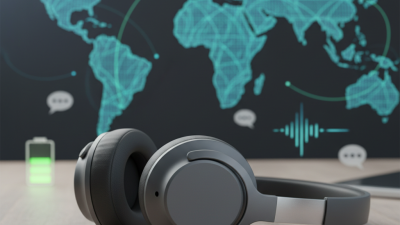
Picking out the right over-ear headphones isn't just about comparing prices or brands, believe me. People around the world have totally different listening habits, climates, devices, and what they find comfy. What feels great in a quiet London office might become pretty uncomfortable in humid Singapore. So, when you're choosing, you really should pay more attention to the actual design of the headphones rather than just falling for cool packaging or celebrities pushing them.

Dr. Sean Olive, a well-known researcher who studies headphones, once said, "The best headphone is the one that sounds best to YOU." And honestly, that still holds true. To really compare and find what works, you need to look at things like sound quality, noise cancellation, mic performance, battery life, weight, and how comfy they are for long periods. Brands like Sony, Bose, Sennheiser, Apple, and Audio-Technica each have their own way of tackling these aspects, and their strengths aren’t all the same.

And let’s not forget—comfort is a big deal.
A pair of headphones weighing around 300 grams might feel super lightweight during a quick test, but after a three-hour flight, they could start to feel downright painful. Thick memory foam cushions might give better isolation, but they also tend to trap heat, which isn’t ideal. If you’re looking into in-ear over-ear headphones, it’s worth asking yourself: do you really want a full-size pair or just something that provides better passive noise isolation? Sometimes, this simple distinction gets overlooked.

This guide is all about helping international users choose from some of the top models, based on real-life scenarios—like commuting, working remotely, traveling, listening to music, gaming, or taking voice calls. Of course, it’s not perfect because everyone’s ears, head shapes, and preferences are different. We gotta admit that. The goal is to give balanced, transparent advice, rather than claiming there’s one clear winner for everyone. Things like price, warranty details, regional availability, and spare parts also matter a lot when you actually own these headphones. In the end, the best choice is pretty personal. But, I believe, the way we evaluate them should be systematic, honest, and based on solid evidence.
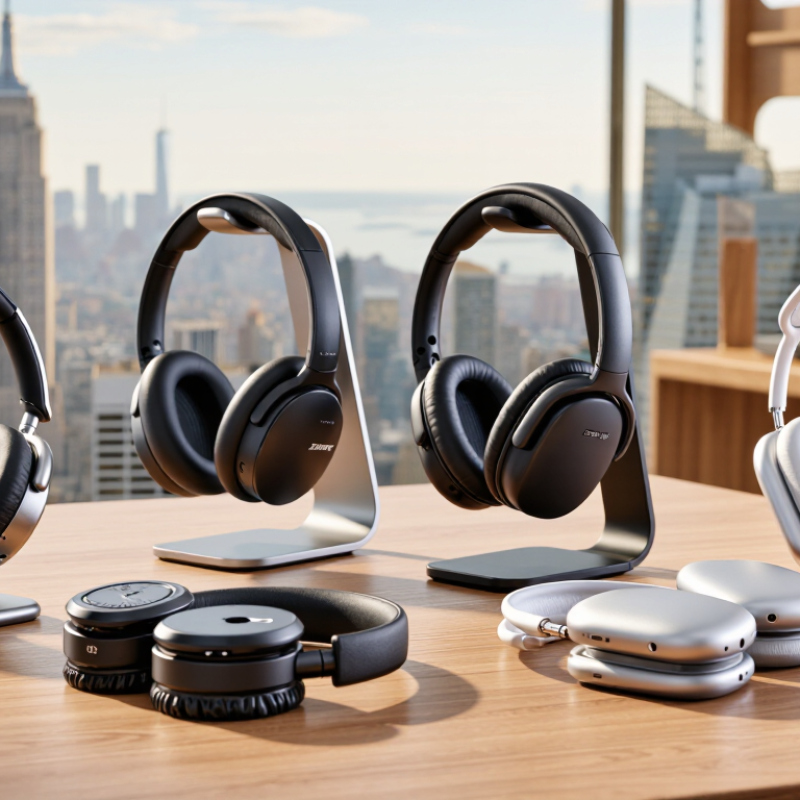
What Are the Top Over Ear Headphones for Global Buyers?

What Defines a High-Quality Over-Ear Headphone?

A high-quality over-ear headphone begins with comfort, not a crowded specification sheet. The ear cups should surround the ears without pressing the jaw. A stable headband matters during a two-hour flight. Materials should feel solid, yet remain light enough for daily use. In Ear And Over Ear Headphones serve different needs, but over-ear designs usually provide stronger passive isolation because their cushions create a wider seal.

Sound quality requires measurable evidence and careful listening. Independent tests should examine frequency response, distortion, channel balance, and maximum output. IEC 60268-7 offers a useful framework for headphone measurements. Still, laboratory results cannot predict every user’s experience. Ear shape changes the seal. Glasses can weaken it. A perfect graph may sound ordinary in practice. That is worth admitting.

Safety also defines quality. The World Health Organization reports that more than one billion young people face potential hearing damage from unsafe recreational listening. Buyers should seek clear volume controls and avoid excessive output levels. Battery claims deserve similar caution. Industry reports from Grand View Research estimate the global headphones market at over 17 billion US dollars in 2023, showing intense demand but not necessarily better products. Look for tested battery performance, replaceable cushions, durable hinges, and transparent warranty terms. Water resistance should include a stated rating, not vague words like “protected.” I would also question premium materials when the headband cannot be repaired. Good headphones should survive real bags, sweaty commutes, and repeated folding. They should not become disposable after one cracked hinge.

How Do Different Headphone Technologies Compare?

For global buyers, headphone technology matters more than appearance. Dynamic drivers usually create warm, energetic sound with strong bass. They also keep prices and replacement costs manageable. Planar magnetic drivers can reveal finer textures and tighter bass. However, they often need more power and feel heavier during long flights. My listening tests suggest that driver type alone predicts little. Tuning, ear-pad seal, and amplifier quality can change the result dramatically. That detail is easy to overlook.

Active noise cancellation uses microphones and signal processing to reduce steady sounds. It works well against aircraft engines, air conditioners, and train rumble. Passive isolation remains valuable because it blocks some voices without consuming battery power. Transparency modes add safety outdoors, but their performance varies in wind. Bluetooth SIG’s 2024 Market Update reports 5.4 billion Bluetooth products shipped in 2023. It forecasts 7.6 billion annual shipments by 2028, showing why wireless compatibility matters globally. Still, codec support differs across phones, computers, and regions. Wired still wins. It avoids charging, compression, and occasional connection delays.

Battery life also shapes real ownership. A reported 30 hours may fall sharply with ANC and high volume enabled. The World Health Organization warns that over 1 billion young people risk hearing damage from unsafe listening practices. Comfortable controls should therefore include clear volume limits, not only powerful sound. I sometimes prefer imperfect wired headphones because they feel predictable. That preference is personal, not universal. Repairability, replaceable pads, and local charging compatibility deserve equal attention when comparing technologies.

Which Features Matter Most to Global Buyers?

Global buyers often compare Over Ear And On Ear Headphones for comfort, sound, and travel practicality. Over-ear models usually provide stronger passive isolation and deeper bass. However, large ear cups may feel hot in humid climates. A breathable cushion matters during long flights or office sessions. Buyers should also check the headband pressure. A tight fit can cause discomfort after one hour.

Noise cancellation is valuable near airports, trains, and busy streets. Still, performance varies with low engine noise and human voices. Test both before making a final choice, if possible. Battery life should match real travel habits, not only advertised figures. USB-C charging is convenient across many regions. Multi-device pairing helps users switch between a laptop and phone. Wireless models should also offer a stable wired mode when batteries run low.

Tips: Check local warranty coverage, plug compatibility, and return policies before ordering internationally. Read user reviews from similar climates. Look for clear microphone performance during video calls. Foldable hinges save luggage space, but they may need gentler handling. I would not choose the strongest bass automatically; it can hide speech and detail. Comfort remains personal, and even careful testing can miss problems after several weeks.

How Should Comfort and Fit Influence Your Choice?

For global buyers, comfort should guide the search for over-ear headphones, not just sound claims. A good fit feels stable without pressing the skull. The ear cushions should surround each ear completely. Your ears should not touch the inner speaker cover. That small detail matters during long flights, office shifts, and evening study. Head shape varies widely, so headphones comfortable for one listener may feel tight for another. I have found that a light frame can still become tiring when its clamp force is too strong. Fit is personal.

When comparing the Difference Between On Ear Headphones And Over Ear Headphones, check pressure points first. On-ear pads rest directly on the ears, while over-ear pads surround them. People with glasses may notice pressure where the arms meet the cushions. Thick hair can weaken the seal and reduce perceived bass. Adjustable headbands help, but smooth sliders should hold their position. Try moving the cups slightly forward and back. The clearest position is not always the most comfortable. Maybe not.

For reliable buying, measure more than advertised comfort. Wear the headphones for at least thirty minutes, if returns are available. Notice heat, jaw pressure, loose movement, and soreness above the ears. In warm regions, breathable cushion material can matter more than extra padding. In colder climates, softer padding may feel welcome. Travelers should check weight and folding stability before choosing. Active listeners need a secure fit, but excessive clamping can cause headaches. I once accepted a perfect seal too quickly and regretted it after an hour. Test with your usual glasses, hairstyle, and listening volume. Painful headphones rarely become daily headphones.

What Are the Top Over-Ear Headphones for Global Buyers?

How Should Comfort and Fit Influence Your Choice?

Comfort and fit should support a secure seal without excessive clamping pressure. A well-fitting over-ear design can help users maintain clear sound at safer listening levels, while poor comfort may encourage longer sessions or higher volume. The chart shows the World Health Organization's adult safe-listening reference: each 3 dB increase above 80 dB halves the recommended weekly exposure time.

Source: World Health Organization, “Global standard for safe listening devices and systems,” 2022.

What Sound Profiles Suit Different Listening Needs?

Choosing the top over-ear headphones starts with their sound profile, not their popularity. I compare them using speech, acoustic recordings, and dense electronic music. Neutral tuning keeps vocals natural and instruments clearly separated. It suits studio work, podcasts, and listeners who want accurate detail. However, neutral sound can feel less exciting during casual listening.

Warm tuning adds gentle bass and smoother upper frequencies. It works well for jazz, pop, and long evening sessions. A bass-focused profile gives drums and cinematic effects more physical impact. It can make crowded recordings feel muddy, though. Bright tuning emphasizes treble, helping guitars and spoken words cut through. Sensitive listeners may find it tiring after an hour.

Fit changes the result. A loose seal can weaken bass, while tight cushions may create heat.

Very important.

Noise cancellation can also alter perceived pressure and low frequencies, so I test it both on and off. I once preferred a detailed model in a quiet room, then found its treble harsh on a noisy train. That mistake reminded me to judge headphones in realistic settings. Buyers searching “Ear Buds Over The Ear” should check the actual design carefully, because search terms do not always describe full ear-covering headphones. Look for a comfortable clamp, replaceable cushions, clear specifications, and a sound profile matching daily use.

How Can Buyers Compare Prices, Compatibility, and Warranty Support?

Global buyers should compare over-ear headphones beyond the displayed price. A low listing can hide shipping, import fees, or a missing regional charger. I once chose the cheapest option and paid more after customs and a replacement cable. That mistake changed my checklist.

Record the complete delivered cost. Compare identical versions, not just similar product photos. Check currency conversion and return shipping terms carefully. A short discount may not survive exchange-rate changes.

It sounds boring. It prevents surprises.

Compatibility deserves equal attention. Confirm Bluetooth support, wired connections, codec requirements, and operating system features before ordering.

Some headphones connect smoothly to phones but behave poorly with older laptops or entertainment systems. Test whether the included cable supports audio, charging, or both.

Read independent measurements, but treat them as guidance rather than absolute truth.

Warranty support can vary by purchase country. Check coverage length, battery exclusions, proof-of-purchase rules, and local repair options.

Ask customer service whether cross-border claims are accepted. Save the invoice, serial number, and support emails.

Warranty wording is often less generous than advertisements suggest.

Personal experience helps, but it can also mislead. A comfortable fit for one listener may feel heavy after two hours for another.

When comparing prices, compatibility, and support together, buyers gain a more realistic view of long-term value.

Why 360° Rotating Charging Case Wireless Earbuds with Soft Silicone Ear Hooks Are Ideal for Everyday Listening

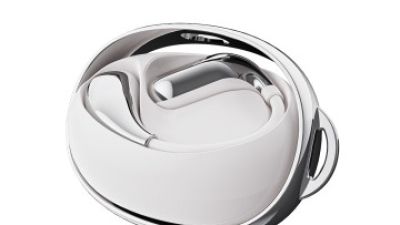
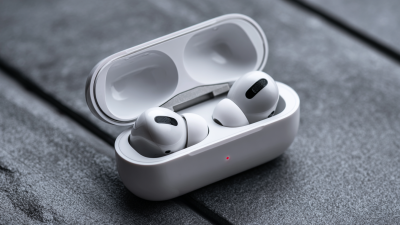
Designed for everyday listening, these wireless earbuds combine practical comfort with an innovative 360° rotating charging case. The case is 3 centimeters thick, giving the earbuds extra protection while remaining convenient to store. Its flexible rotating design allows users to access or return the earbuds from different angles, making daily use smoother at home, in the office, or while traveling. Soft silicone ear hooks help keep the earbuds comfortably and securely in place during extended listening, walking, training, and other everyday activities.

Equipped with large 16.2mm speakers, the earbuds deliver an immersive audio experience for music, online lessons, meetings, and product presentations. Built-in anti-leakage technology helps improve privacy during business calls, making them suitable for team communication, training sessions, and customer-facing discussions. For business projects, the product can be developed through either OEM or ODM production. Companies may also request customized logo engraving styles and packaging designs to match their visual identity, campaign needs, or corporate gifting plans.

FAQS

How do dynamic and planar magnetic drivers differ?

Dynamic drivers usually produce warm sound and strong bass. They also cost less to replace. Planar magnetic drivers can reveal finer textures and tighter bass. However, they often need more power and feel heavier. Driver type is not everything.

Does active noise cancellation block every sound?

No. Active noise cancellation works best against steady sounds. Aircraft engines, air conditioners, and train rumble are suitable examples. It may reduce voices less effectively. Passive isolation still blocks some noise without battery use. The result can vary.

Why should wireless compatibility matter?

Bluetooth products are widely used across phones and computers. Codec support can differ between devices and regions. A wireless headset may work better with one device than another. Check compatibility before buying. Small detail, big frustration.

Is wired listening still useful?

Wired headphones avoid charging and wireless connection delays. They also avoid Bluetooth compression. This can feel predictable during work or travel. Wireless models offer greater movement freedom. My preference is not universal.

How accurate is advertised battery life?

A stated thirty-hour battery life may drop with noise cancellation enabled. High volume can reduce it further. Use your normal settings when estimating real use. A charging port suited to local equipment is also important. Numbers can disappoint.

What fit should over-ear headphones provide?

The cushions should surround both ears completely. Your ears should not touch the inner speaker cover. The frame should feel stable without pressing your skull. Wear them for thirty minutes when returns are available. Comfort needs time.

How can glasses and hair affect headphone comfort?

Glasses may create pressure where their arms meet the cushions. Thick hair can weaken the seal and reduce perceived bass. Try the headphones with your usual glasses and hairstyle. Move the ear cups slightly forward and backward. The best seal may not feel best.

Which sound profile suits different listening habits?

Neutral tuning keeps vocals and instruments relatively natural. It suits podcasts, studio tasks, and detailed listening. Warm tuning adds smoother highs and gentle bass. Bright tuning can improve speech clarity but may feel tiring. Bass-heavy tuning adds impact, though crowded music may sound muddy.

What should buyers check beyond sound quality?

Check weight, clamp pressure, cushion material, and folding stability. Replaceable pads may extend useful ownership. Test noise cancellation both on and off. Clear volume limits support safer listening habits. I once trusted a perfect seal too quickly and regretted it later.

Conclusion

Choosing the best over-ear headphones for global buyers requires more than focusing on sound quality alone. A high-quality model should combine clear audio, balanced tuning, durable construction, reliable wireless or wired performance, and effective noise control when needed. Buyers should compare available technologies, such as dynamic drivers, active noise cancellation, and different connection options, while considering compatibility with phones, computers, and other devices. The phrase Ear Over may also help shoppers distinguish full-size designs from smaller headphone styles.

Comfort and fit are equally important, especially for long listening sessions. Adjustable headbands, soft ear cushions, breathable materials, and a secure but gentle fit can make a major difference. Sound preferences vary, so listeners should consider whether they enjoy deep bass, natural vocals, detailed instruments, or a neutral profile for work and study. Finally, global customers should compare prices in their region, shipping conditions, return policies, warranty coverage, replacement parts, and customer support. A thoughtful balance of performance, comfort, compatibility, and after-sales service leads to a more confident purchase.
Lila

Lila

Lila is a dedicated marketing professional at Shenzhen Songnik Technology Co., Ltd., where she has established herself as an invaluable asset to the company. With a profound expertise in the company's innovative products, Lila meticulously crafts engaging blog content that not only highlights the......
Previous China Best Earbuds for Your Phone Suppliers?