

Company News



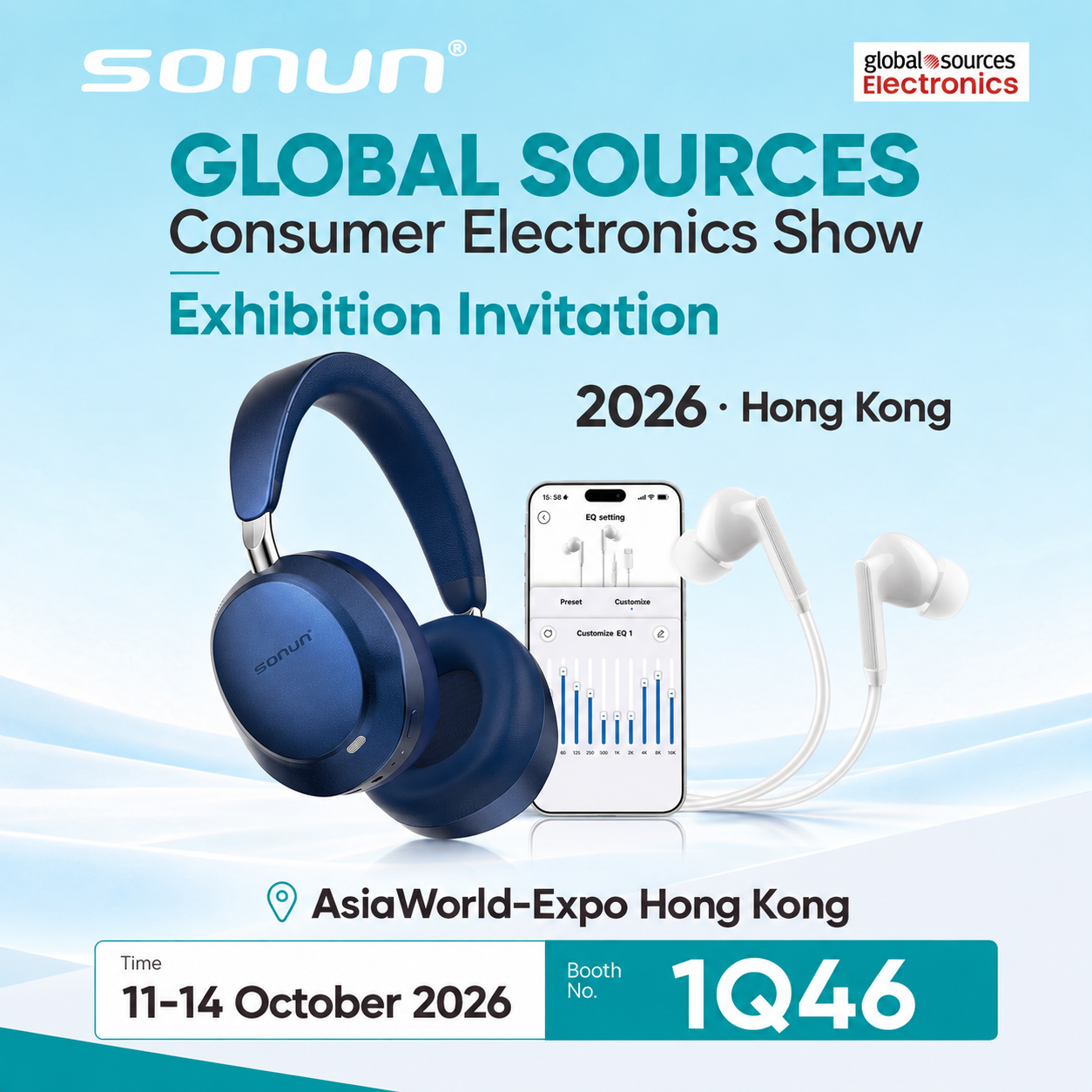
Visit Sonun at Booth 1Q46 from 11 to 14 October 2026
Selecting a headphone manufacturer goes far beyond checking quotes and product photos. Effective communication on product positioning, samples and production plans matters greatly. Sonun welcomes overseas brands and sourcing teams to Global Sources Consumer Electronics 2026 at Hong Kong’s AsiaWorld‑Expo, Booth 1Q46, October 11‑14, 2026. Share your project basics including headphone type, target market, order volume, budget, timeline and customization needs. No complicated technical files are needed. Book an advance meeting for in‑depth talks, and let us prepare suitable product solutions to speed‑up your headphone sourcing project.
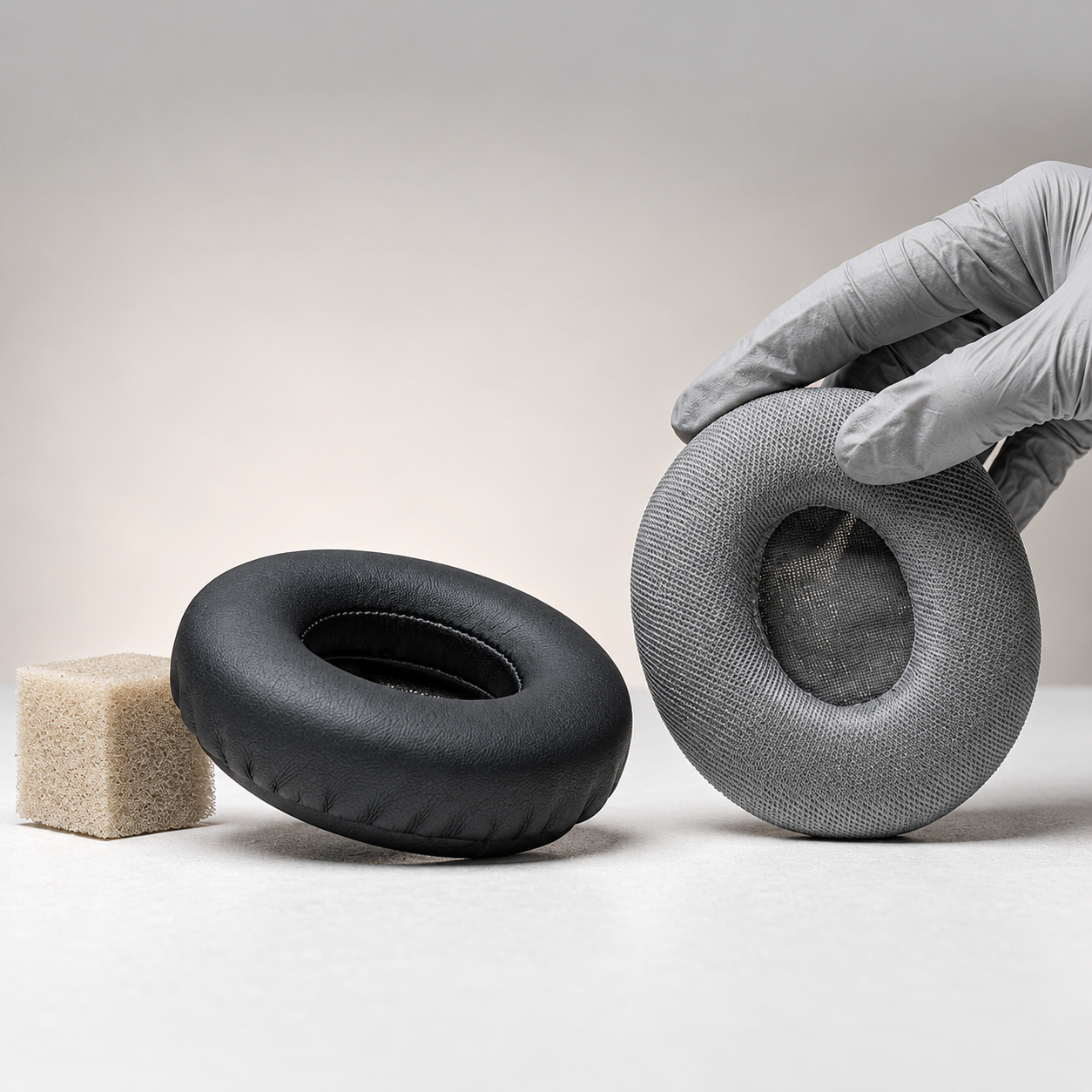
How to select earpad materials to reduce return rates
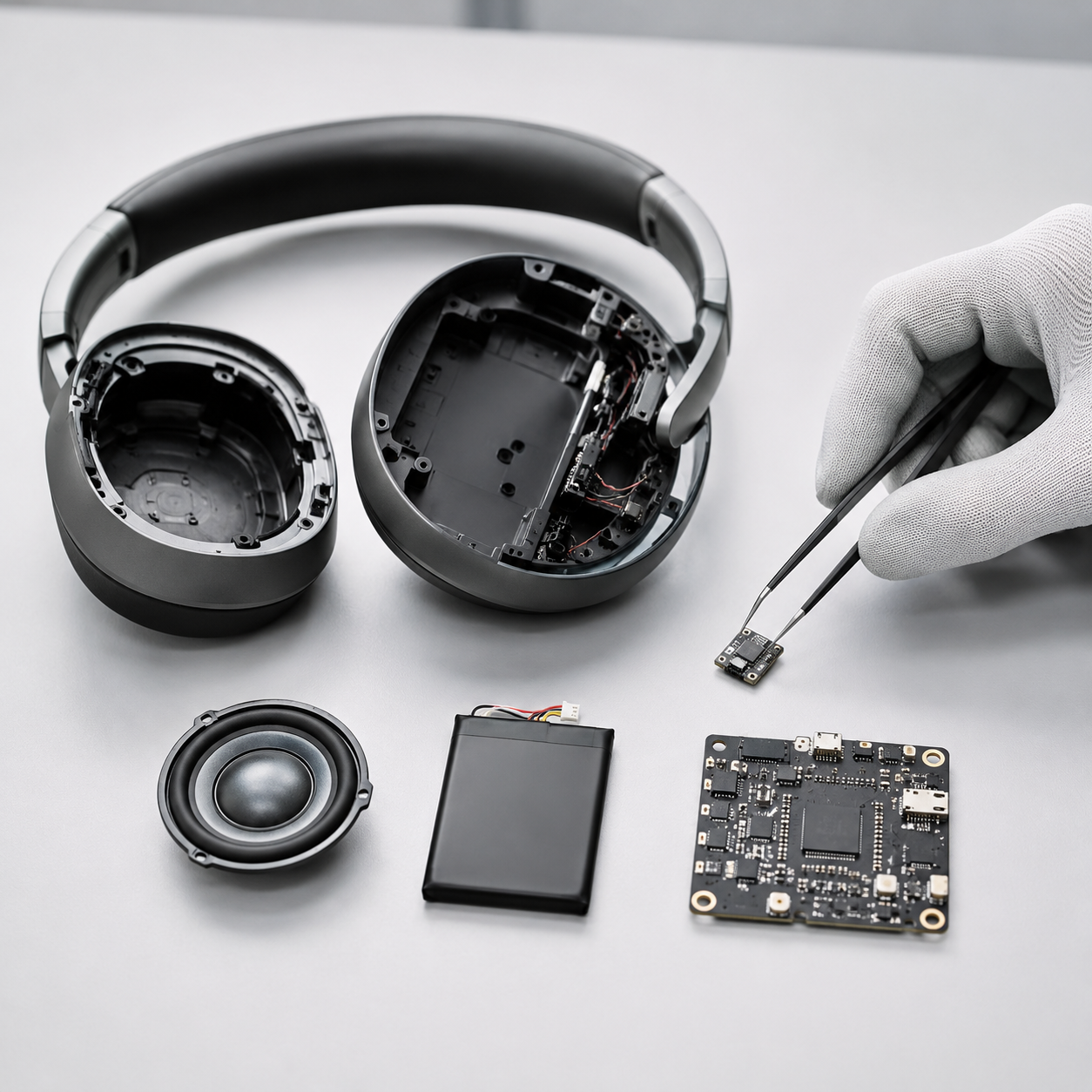
Component Change Rules for Headphone OEM Orders
An approved headphone sample does not automatically protect a buyer from component substitutions. The protection is a written change rule agreed before the purchase order moves into production. This article explains how private-label brands and sourcing teams can define that rule without creating an approval process. It covers which components require advance notice, what evidence a manufacturer should provide, who has authority to approve a change, and how the production lot should be recorded. The focus is not on stopping every supplier adjustment. It is on separating routine material updates from changes that affect sound, battery performance, wireless operation, safety, or market compliance. Buyers will also learn how to avoid two common mistakes: giving the factory unlimited substitution rights and requiring full approval for changes that do not affect the finished product. A clear component change agreement gives both sides faster decisions, traceability, and fewer disputes after mass production begins.

How to Keep OEM Headphone Orders Moving When Bookings Fail
Since the Strait of Hormuz closure in February 2026, container booking for Asia-Europe routes has become increasingly difficult. Major carriers have reduced sailings, and booking slots fill three weeks ahead. For OEM headphone buyers with orders ready but no booking, here is what to do.
First, contact multiple carriers simultaneously. Secondary lines like ONE, Yang Ming, and ZIM sometimes have slots when the top four are full. Also switch departure ports — Ningbo, Qingdao, and Shanghai may have openings Shenzhen does not.
If FCL is unavailable, try LCL or split the shipment across two sailings. Shift Incoterms from FOB to EXW to put your own forwarder in control. When deadlines are tight, rail takes 15-20 days and air freight takes 3-7 days. The practical approach: ship 70% by sea and 30% by rail or air. Send your factory your target arrival date, latest ship date, and split shipment preference so they can coordinate multiple forwarders and protect your timeline.

Custom Headphone Project Timeline
A custom headphone project can take weeks or months depending on its complexity. This article explains the main stages of OEM and ODM headphone development, including product definition, sample building, certification planning, pilot production, mass production, and shipment. Buyers will learn why clear requirements, consistent testing, early market compliance checks, and controlled pilot runs are essential for avoiding delays and quality risks. It also outlines typical time ranges for basic logo and packaging customization, standard ODM products, and projects involving new housings, acoustic tuning, or connected features, helping overseas buyers plan a more realistic and verifiable production schedule with their headphone manufacturer.


Why Overseas Buyers Shouldn’t Only Look at Low Prices
Choosing a headphone OEM factory based only on the lowest quotation can reduce purchasing costs but increase returns, negative reviews, inventory pressure, and lost repeat orders. This article explains why overseas brands, importers, wholesalers, and e-commerce sellers should evaluate real profitability after launch. It covers product positioning, user scenarios, comfort, call quality, connection stability, packaging, quality consistency, MOQ flexibility, and after-sales traceability. Buyers will also learn three practical questions for judging whether a headphone is worth developing. A reliable OEM partner should provide competitive pricing while helping reduce market risk, improve product-market fit, and support sustainable repeat business.

After Trump’s Visit to China, What Can Headphone Exporters Expect?
This article examines whether warming China–U.S. relations could ease tariff pressure on Chinese headphone exports and what manufacturers should do while uncertainty remains. It explains why the U.S. market is still important, why smaller factories cannot rely on policy changes, and why China’s mature headphone supply chain remains valuable to overseas buyers. It also discusses opportunities in Europe, the limits and compliance risks of shifting production to Vietnam or India, and the need for market diversification. Long-term competitiveness depends on differentiated products, stable delivery, professional content, reliable service, and stronger customer trust—not simply waiting for lower tariffs.

From Deposit to Delivery: The "Time Killers" You’re Overlooking in OEM Earbud Orders
OEM headphone delivery delays often come from unclear approvals, incomplete materials, and mismatched inspection standards rather than slow assembly. This article explains the critical stages that determine lead time, from Golden Sample approval and packaging confirmation to chipset and battery availability, BOM control, and final quality inspection. Cross-border sellers and brand owners will learn why small design changes can affect production schedules, how early AQL agreement can prevent last-minute disputes, and why buffer time is necessary for logistics and customs clearance. Clear requirements, synchronized progress tracking, and early component planning help buyers reduce uncertainty and keep urgent restocking or product-launch schedules under control.

The Impact of EU 2025 Environmental Regulations on Headphone Manufacturing
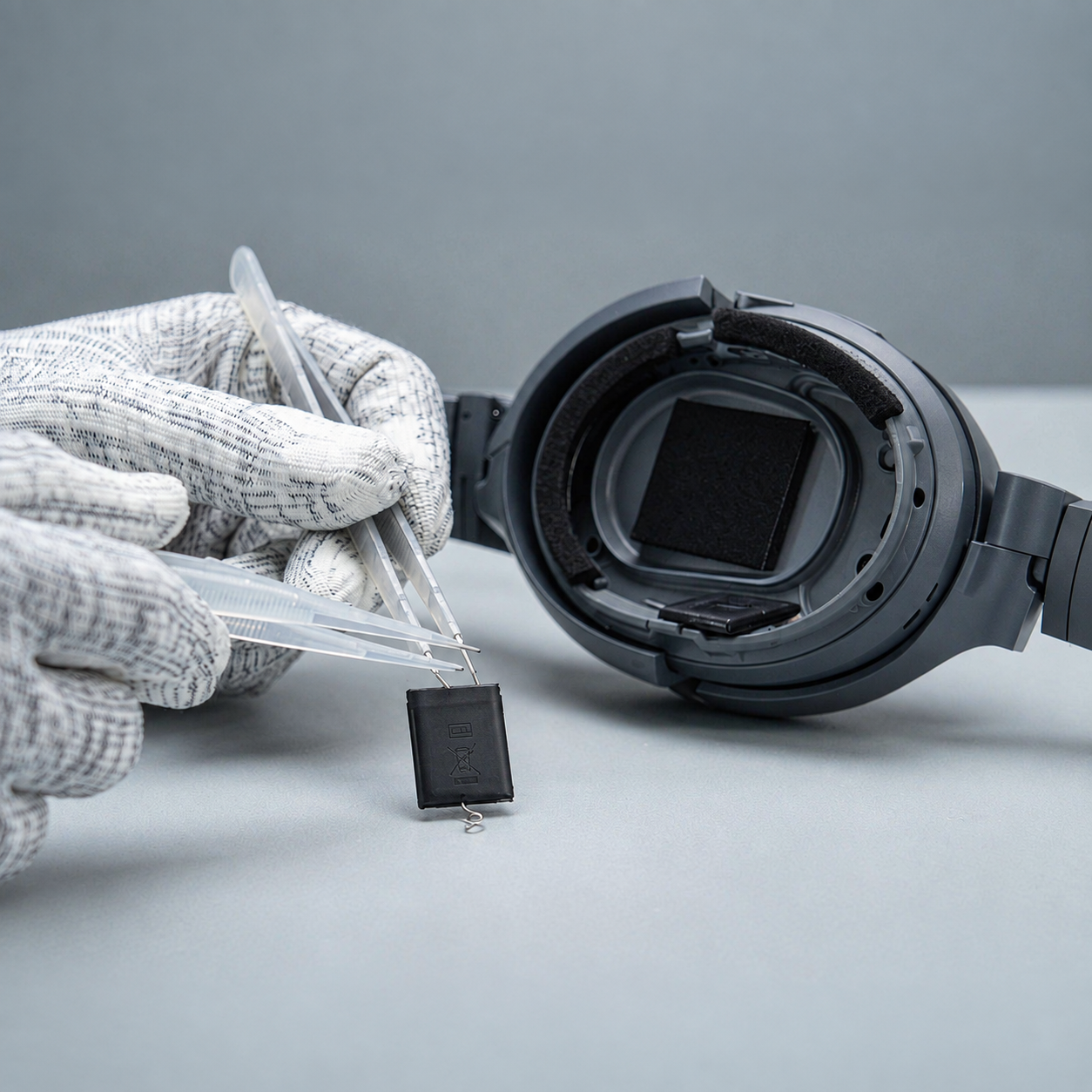
EU environmental rules are reshaping how headphones are designed, manufactured, documented, and managed after sale. This article examines the growing importance of waste reduction, repairability, recyclable materials, responsible battery design, product traceability, and end-of-life collection for companies supplying the European market. It also considers the impact on material selection, product development, certification, supply-chain management, and recycling costs. OEM and ODM headphone buyers will find practical suggestions for reviewing existing products, coordinating with suppliers, exploring modular structures, and planning compliance earlier. Adapting proactively can help manufacturers reduce market-entry risks and turn environmental performance into a stronger B2B advantage.